

Submitting your thesis or dissertation is the culmination of years of hard work, dedication, and intellectual effort. It represents a significant milestone in your academic journey, and its presentation should reflect the quality and professionalism of your research. While the content itself is paramount, the physical presentation of your thesis plays a crucial role in making a lasting first impression on examiners and future readers. A professionally bound thesis not only protects your valuable work but also elevates its perceived value and credibility. This comprehensive guide will walk you through the various aspects of thesis printing and binding, helping you make informed decisions to ensure your academic masterpiece stands out.
For students in Germany looking for reliable and high-quality services, understanding the options for Bachelorarbeit binden lassen is essential. The right binding choice can significantly impact how your work is received, offering both aesthetic appeal and practical durability. From the moment your examiners pick up your thesis, its physical form communicates a message about your attention to detail and commitment to excellence. Therefore, investing time in selecting the appropriate binding and printing service is just as important as the final proofread.
Understanding Thesis Binding Options
The world of thesis binding offers a variety of options, each with its own characteristics, benefits, and suitability for different academic requirements and personal preferences. Choosing the right one involves considering factors like durability, appearance, cost, and university guidelines. Let’s explore the most common types:
1. Hardcover Binding: The Gold Standard for Professionalism
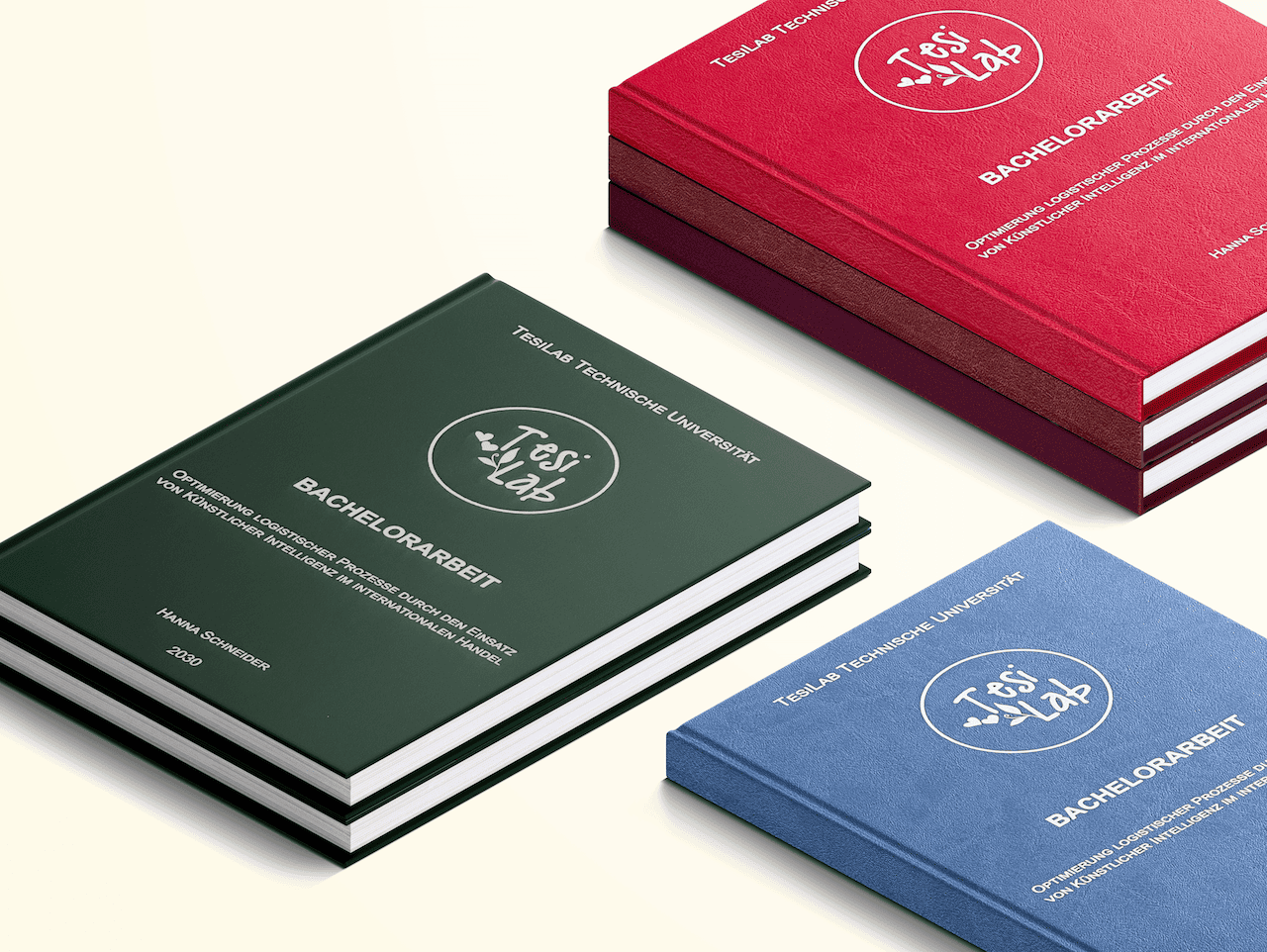
Hardcover binding, often referred to as case binding, is widely considered the most prestigious and durable option for academic theses and dissertations. It involves sewing or gluing the pages together into a text block, which is then encased in a rigid cover made of cardboard, typically covered with cloth, leatherette, or other durable materials. The cover can be customized with foiling (gold, silver, or other colors) for the title, author’s name, and university logo, adding a touch of elegance and personalization.
Pros:
•Exceptional Durability: Hardcover bindings are built to last, protecting your thesis for decades. This makes them ideal for archival purposes and for works that will be frequently handled.
•Professional Appearance: The robust and classic look of a hardcover thesis conveys a high level of professionalism and seriousness, making a strong positive impression.
•Customization: Offers extensive options for cover materials, colors, and embossing, allowing for a unique and distinguished finish.
•Prestige: Often a requirement for final submissions to universities and libraries, signifying the importance of the academic work.
Cons:
•Higher Cost: Generally the most expensive binding option due to the materials and labor involved.
•Less Flexible: The rigid nature of the cover means the book does not lie completely flat when open, which can sometimes be inconvenient for reading or scanning.
•Longer Production Time: Customization and the multi-step binding process can lead to longer turnaround times compared to other options.
2. Softcover Binding: Flexible and Modern
Softcover binding, also known as perfect binding, offers a more flexible and often more affordable alternative to hardcover. In this method, the pages are glued together at the spine with a strong, flexible adhesive, and then a soft, yet durable, cover (typically made of thick cardstock or flexible plastic) is wrapped around the text block. Softcover bindings can also be customized with various finishes and colors.
Pros:
•Flexibility: The soft cover allows the thesis to lie flatter when open, making it easier to read, annotate, and scan.
•Cost-Effective: Significantly more affordable than hardcover binding, making it a popular choice for personal copies, departmental submissions, or when budget is a concern.
•Quicker Production: The manufacturing process is generally faster, which can be beneficial for tighter deadlines.
•Modern Aesthetic: Offers a contemporary and less formal look, suitable for certain types of academic work or preliminary submissions.
Cons:
•Less Durable: While durable enough for regular use, softcover bindings are not as long-lasting or resistant to wear and tear as hardcovers, especially over many years.
•Limited Customization: While still offering options for cover design and finish, the range of materials and embossing options might be less extensive than for hardcovers.
•Perceived Value: May be perceived as less formal or prestigious than a hardcover, though this varies by institution and personal preference.
3. Thermal/Glue Binding: Economical and Quick
Thermal binding, often grouped with other forms of glue binding (like simple adhesive binding or Klebebindung), is the most economical and quickest method. It involves heating a strip of adhesive along the spine of the document, which then melts and binds the pages together with a cover. This type of binding typically uses a clear plastic front cover to display the title page and a cardstock back cover.
Pros:
•Very Cost-Effective: The cheapest option available, ideal for multiple copies, drafts, or when budget is a primary concern.
•Rapid Production: Can be done very quickly, often within hours, making it suitable for last-minute submissions or when a fast turnaround is critical.
•Simple and Clean: Provides a neat and tidy finish for documents that don’t require the robustness of other binding types.
Cons:
•Least Durable: The adhesive can degrade over time, and pages may come loose with heavy use. Not suitable for archival purposes.
•Limited Professionalism: While clean, it lacks the formal and prestigious appearance of hardcover or even high-quality softcover bindings.
•Minimal Customization: Options for cover materials and design are very limited, usually restricted to standard clear fronts and colored cardstock backs.
Key Factors to Consider When Binding Your Thesis
Making the right choice for your thesis binding goes beyond just selecting a type. Several critical factors should influence your decision to ensure your final product meets all academic standards and personal expectations.
1. University Requirements and Guidelines
This is arguably the most important factor. Most universities have strict guidelines regarding the printing and binding of theses and dissertations. These guidelines often specify:
•Binding Type: Some universities mandate hardcover binding for final submissions, while others might accept softcover or even thermal binding for certain degrees or departmental copies.
•Paper Quality: Requirements for paper weight, acid-free properties (for archival purposes), and color (e.g., white or off-white).
•Margins: Specific margin requirements are crucial, especially for the binding edge, to ensure no text is lost when the thesis is bound. Incorrect margins can lead to rejection.
•Cover Information: Details on what must be included on the cover (title, author, year, university logo) and the format for embossing or printing.
Always consult your university’s or department’s official guidelines well in advance of your submission deadline. Failure to comply can result in delays or even rejection of your thesis.
2. Durability and Longevity
Consider how long you need your thesis to last and how it will be used. If your thesis is destined for a university library archive, a hardcover binding is almost always preferred due to its superior durability and archival quality. For personal copies that you might refer to occasionally, a softcover might suffice. The goal is to protect your research from wear and tear, ensuring it remains intact and readable for years to come.
3. Aesthetics and Professionalism
The visual appeal of your thesis can subtly influence how it’s perceived. A well-presented thesis reflects positively on your attention to detail and the seriousness of your academic endeavor. Examiners, who review numerous theses, often appreciate a polished and professional presentation. High-quality printing, crisp text, vibrant colors (if applicable), and a sturdy, attractive binding all contribute to an overall impression of excellence. This is where services that offer a wide range of customization, like those found at TesiLab, can make a significant difference.
4. Cost and Budget
Budget constraints are a reality for many students. Hardcover binding, with its premium materials and craftsmanship, is typically the most expensive option. Softcover offers a good balance between cost and quality, while thermal binding is the most budget-friendly. It’s important to weigh the cost against the importance of the submission and your personal financial situation. Remember to factor in potential discounts for multiple copies, which many printing services offer.
5. Turnaround Time
Deadlines are often tight in academia. The production time for thesis binding can vary significantly depending on the chosen binding type and the service provider. Hardcover binding generally takes longer due to its complex process, while softcover and thermal binding can be completed much faster. Always inquire about production and delivery times and plan accordingly, especially if you have a looming submission deadline. Some services offer express options for urgent cases, but these usually come at an additional cost.
Preparing Your Thesis for Printing
Before you even think about binding, proper preparation of your digital thesis file is crucial. A well-prepared file ensures a smooth printing process and a high-quality final product.
1. File Formatting: PDF is Your Best Friend
Always convert your thesis to a PDF (Portable Document Format) before sending it to a printer. PDFs preserve your document’s formatting, fonts, and images exactly as you intended, regardless of the software or operating system used by the printing service. Ensure all fonts are embedded within the PDF to prevent font substitution issues. Double-check that all images are high-resolution enough for print without appearing pixelated.
2. Page Layout and Margins: The Unsung Heroes
Correct page layout and margins are critical, especially for bound documents. The binding process requires a certain amount of space on the inner edge of the pages to prevent text from being obscured or cut off. University guidelines often specify these margins (e.g., a larger inner margin of 2.5-3 cm and standard outer margins of 2 cm). It’s a good practice to set your margins correctly from the outset of your writing process. If you’re unsure, consult your printing service for their recommended margin settings.
3. Paper Selection: More Than Just White
The choice of paper can impact the feel and appearance of your thesis. Common considerations include:
•Weight: Standard printer paper is usually 80 gsm (grams per square meter). For a more substantial feel and to prevent bleed-through, especially with double-sided printing, a heavier paper (e.g., 90 gsm or 100 gsm) is often preferred for theses.
•Finish: Matte paper is common for academic documents as it reduces glare and is easy to read. Glossy paper is generally avoided for text-heavy documents but might be used for specific sections with high-quality images.
•Environmental Considerations: Many printing services, including those focused on eco-friendly practices, offer recycled or sustainably sourced paper options. This can be an important consideration for environmentally conscious students.
4. Proofreading and Final Checks: The Last Line of Defense
Even after countless revisions, a final, meticulous proofread of your PDF file is essential. Check for:
•Typos and Grammatical Errors: The most common mistakes that can detract from your work’s professionalism.
•Formatting Inconsistencies: Ensure headings, subheadings, captions, and citations are consistent throughout.
•Page Numbering: Verify that all pages are correctly numbered and in the right order.
•Blank Pages: Remove any unintended blank pages.
•Table of Contents/Figures/Tables: Ensure these accurately reflect the content and page numbers.
Consider having a fresh pair of eyes (a friend, colleague, or professional editor) review your final PDF before sending it to print. A small error can be easily overlooked by the author.
The Online Printing and Binding Process
Modern online printing services have made the process of getting your thesis professionally bound more accessible and convenient than ever. Here’s a typical workflow:
1. Uploading Your Document
The first step usually involves uploading your thesis file (preferably in PDF format) to the service provider’s website. Reputable services offer secure platforms for file transfer, ensuring your intellectual property is protected. The process is often straightforward, with drag-and-drop interfaces.
2. Customization Options
Once your file is uploaded, you’ll typically be guided through a series of customization options. This is where you select your preferred binding type (hardcover, softcover, thermal), cover material, color, and any special finishes like foil embossing for your title or name. Many services offer a wide palette of colors and material textures to choose from.
3. Live Previews: See Before You Buy
A crucial feature offered by leading online printers is a live preview function. This allows you to see exactly how your thesis will look with your chosen binding and customization before you finalize your order. You can often flip through the pages, check the margins, and verify the cover design. This step is invaluable for catching any last-minute errors or ensuring the final product matches your vision.
4. Ordering and Delivery
After configuring your thesis and reviewing the preview, you proceed to order. You’ll specify the number of copies, shipping address, and payment details. Pay close attention to the estimated production and delivery times. Many services, like those offering quick Bachelorarbeit binden lassen options, provide clear timelines and even express shipping for urgent needs. Free shipping within Germany is a common benefit.
Why Professional Binding Matters
Beyond meeting university requirements, professional thesis binding offers several significant advantages that underscore its importance.
1. Enhancing Credibility and Academic Reputation
A well-bound thesis immediately signals professionalism and attention to detail. It suggests that the author takes their work seriously and has invested care into every aspect of its presentation. This can subtly enhance your credibility in the eyes of examiners and future colleagues, reinforcing the quality of your research.
2. Preserving Your Work for Posterity
Your thesis is a significant academic achievement, often representing years of dedicated research. Professional binding ensures that this valuable document is preserved for the long term. It protects the pages from damage, wear, and environmental factors, allowing your work to be archived in libraries or kept as a personal memento for decades.
3. Reducing Stress During Submission
The final stages of thesis submission can be incredibly stressful. By entrusting your printing and binding to a professional service, you can alleviate a significant portion of this pressure. Knowing that experts are handling the physical production allows you to focus on other critical tasks, such as preparing for your defense or celebrating your achievement.
Conclusion
The journey of writing a thesis is arduous, demanding intellectual rigor and unwavering commitment. The final step of printing and binding is not merely a formality but an integral part of presenting your scholarly contribution to the world. By carefully considering your options, adhering to university guidelines, and utilizing reliable professional services, you ensure that your thesis not only meets academic standards but also stands as a testament to your hard work and dedication. A beautifully bound thesis is more than just a document; it’s a legacy, a tangible representation of your academic success, ready to be shared and preserved for years to come.
