

The Workspace Revolution Begins
Workplaces have undergone one of the most dramatic transformations in recent history. What once looked like rows of grey cubicles and fluorescent-lit corridors has evolved into vibrant, human-centered environments that inspire creativity and collaboration. Office interior design has become a strategic tool for businesses looking to attract talent, boost productivity, and build a strong company culture. The shift didn’t happen overnight — it was a gradual awakening driven by changing workforce expectations, research on human behavior, and a deeper understanding of how physical space affects the way people think, feel, and perform every single day.
The Era of the Cubicle Farm
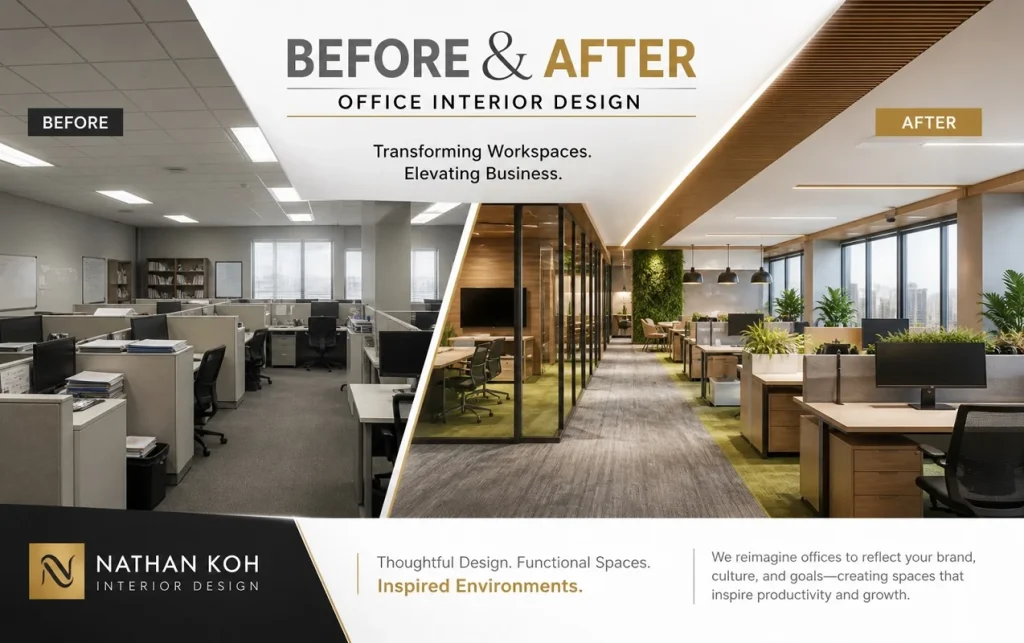
Before the modern workspace revolution, most offices were defined by rigid layouts and uniform furniture. The cubicle was king. Employees sat in isolated pods, separated from natural light and cut off from their colleagues. Communication was formal, creativity was stifled, and the work environment felt more like a factory than a hub of innovation. Companies focused on maximizing floor space rather than maximizing human potential. The result was a workforce that showed up, did the minimum required, and left. Morale was low, turnover was high, and productivity suffered as a direct consequence of uninspiring surroundings.
What Changed the Game
The rise of tech companies in Silicon Valley introduced a new blueprint for what a workplace could be. Open floor plans, lounge areas, standing desks, and colorful murals began replacing the sterile, box-like offices of previous decades. Research from environmental psychology started showing undeniable links between workspace quality and employee well-being. Organizations began to see the office not just as a functional space but as a living expression of their brand values. The idea that good design could drive better business outcomes started gaining mainstream momentum, and forward-thinking companies were quick to invest in transforming their spaces accordingly.
The Psychology behind Space
Human beings are deeply affected by their surroundings, even when they are not consciously aware of it. The color of walls influences mood — blue promotes calm and focus, while yellow stimulates energy and optimism. Ceiling height affects how freely people think, with higher ceilings encouraging big-picture thinking. Natural elements like plants and wood textures reduce stress and increase feelings of comfort. Noise levels, temperature, and lighting all play measurable roles in how well employees concentrate and collaborate. Understanding these psychological principles allows designers to create environments that actively work in favor of the people who inhabit them every day.
Lighting: The Underrated Hero
One of the most impactful changes in modern workspace design has been the treatment of lighting. The harsh, flickering fluorescent tubes of old offices have given way to layered lighting systems that combine natural light, task lighting, and ambient glow. Large windows are no longer an afterthought — they are a design priority. Studies consistently show that access to natural light improves sleep quality, reduces fatigue, and elevates overall mood. Skylights, glass partitions, and open facades now feature prominently in renovated offices. Dimmer controls allow individuals to personalize their lighting environment, supporting different work modes throughout the day without causing eye strain or discomfort.
Flexible Spaces Drive Productivity
Modern work is not one-size-fits-all, and today’s best office interiors reflect that reality. Rather than assigning every employee a single fixed desk, contemporary layouts offer a mix of collaboration zones, quiet focus rooms, informal lounge areas, and phone booths. This variety allows workers to choose the setting that best matches the task at hand. A designer brainstorming a campaign needs a different environment than an accountant reconciling spreadsheets. Flexible furniture systems — modular sofas, height-adjustable desks, movable walls — make it easy to reconfigure spaces as team sizes and project needs evolve. This adaptability future-proofs the office against constant organizational change.
Branding Through Interior Design
Your office is one of the most powerful brand statements your company can make. Every wall color, material choice, furniture style, and spatial arrangement communicates something about who you are and what you stand for. A law firm might use rich wood tones and structured layouts to convey authority and trust, while a creative agency might opt for bold palettes and unconventional furniture to signal innovation and playfulness. Smart office interior design ensures that a client walking through the door immediately understands your company’s personality. It creates a first impression that words alone cannot achieve, reinforcing your brand identity at every turn.
Sustainability Becomes a Priority
Today’s office transformations are as much about environmental responsibility as they are about aesthetics. Companies are increasingly opting for sustainable materials — recycled content flooring, low-VOC paints, FSC-certified wood, and energy-efficient fixtures. Businesses can also lower their environmental impact by comparing georgia gas options to find energy plans that align with their sustainability goals. Green buildings not only reduce carbon footprints but also create healthier indoor environments for employees. Biophilic design, which integrates nature into interior spaces through living walls, natural textures, and water features, has been shown to reduce stress and improve cognitive performance. Sustainability in workspace design is no longer a niche concern — it is a mainstream expectation among employees, clients, and investors who care deeply about corporate responsibility.
Technology Integration in Modern Offices
A beautifully designed office must also function seamlessly in an increasingly digital world. Modern workplaces are built with technology woven into their very structure. Smart lighting systems respond to occupancy and daylight levels. Conference rooms feature wireless presentation screens and integrated video conferencing tools. Charging stations are embedded into furniture. Cable management solutions keep surfaces clean and clutter-free. Acoustic panels double as design features while reducing noise pollution in open-plan environments. The best office renovations approach technology not as an add-on but as a foundational element, ensuring that the physical and digital layers of work experience support each other effortlessly.
The Role of Color and Texture
Color and texture have always been powerful tools in interior design, but their thoughtful application in office environments is a relatively recent development. Beyond simply choosing a paint color, contemporary designers layer materials — matte finishes against glossy surfaces, rough concrete beside soft upholstery, warm timber contrasting with cool metal. These combinations add visual depth and tactile richness that make a space feel curated rather than generic. Color zoning helps employees navigate large floor plates intuitively, with different hues signaling different functions. A well-considered palette can energize a reception area, calm a wellness room, and focus the mind in a concentrated work zone.
Employee Well-Being Takes Center Stage
The most significant shift in office interior design over the past decade has been the explicit prioritization of employee well-being. Ergonomic furniture reduces physical strain and the long-term health costs associated with poor posture. Dedicated wellness rooms allow employees to decompress, meditate, or take a private call away from the bustle. Kitchens and café areas are designed to encourage genuine social interaction rather than rushed breaks. Circadian lighting systems mimic the natural progression of daylight to support healthy sleep cycles. These investments send a powerful message to employees: their comfort, health, and happiness are not afterthoughts — they are design priorities from the very first blueprint.
Noise Control and Acoustic Design
Open-plan offices brought collaboration but also introduced one of the most persistent complaints in modern workplaces — noise. Constant chatter, ringing phones, and keyboard clatter create a distracting soundscape that undermines concentration. Acoustic design has emerged as a critical discipline within the office design world. Sound-absorbing panels, carpeted zones, upholstered furniture, and strategic placement of soft furnishings all help dampen ambient noise. Dedicated quiet zones and phone booths provide refuge for deep work. White noise systems mask distracting sounds in densely populated areas. A thoughtful acoustic strategy makes the open-plan model genuinely workable, rather than simply looking good on an architectural floor plan.
The Before and After Impact
The before-and-after transformation of a well-redesigned office is often striking enough to feel like a different company entirely. Employees who once dreaded Monday mornings begin looking forward to coming in. Absenteeism drops, collaboration increases, and a palpable energy shift occurs. Clients notice it too — walking into a transformed office communicates that the company is serious, forward-thinking, and invested in quality. Recruitment becomes easier because candidates can see themselves thriving in the space. Retention improves because employees feel valued. The numbers follow the feelings — productivity metrics climb, creative output increases, and team cohesion strengthens. Great design does not just look good; it performs.
Choosing the Right Design Partner
Achieving a successful office transformation requires partnering with designers who understand both aesthetics and functionality. The right design team will start by listening — learning about your business goals, your team’s working style, and your brand values. They will conduct space utilization studies, gather employee feedback, and present concepts grounded in evidence-based design principles. A great office interior design partner does not impose a one-size-fits-all solution but creates a tailored environment that serves your specific culture and operational needs. They also manage timelines, budgets, and contractor relationships, ensuring that the vision developed in renders translates faithfully into the real-world space your team will inhabit.
The Future of Workspaces
As hybrid work models continue to evolve, the office must justify its existence as a destination worth the commute. This raises the stakes for design even higher. Future offices will likely feature more sophisticated personalization — desks that remember your ergonomic preferences, meeting rooms that configure themselves based on booking data, and AI-driven climate systems that adapt to occupant needs in real time. The fundamental goal, however, will remain unchanged: to create environments where people do their best work, feel their best selves, and genuinely want to be. Office interior design will continue to be the invisible architect of organizational success for years to come.
Sterling Vance is a focused home improvement and office interior design writer with a strong command of ergonomic planning, productive workspace layouts, and professional environment styling. He creates clear, actionable content that guides business owners and designers through desk configurations, acoustic solutions, lighting strategies, and décor choices — helping them build office spaces that boost efficiency without sacrificing visual appeal.
