

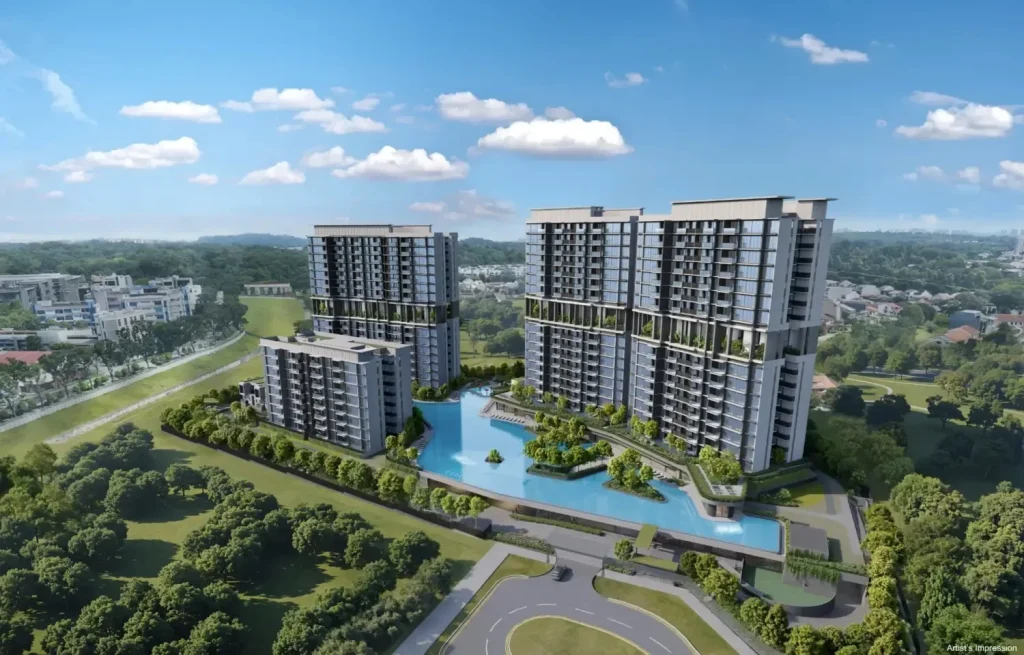
Buying a private property represents one of the most significant financial commitments you will ever make. With new launches constantly entering the market, determining fair market value becomes increasingly difficult. For instance, buyers looking at new developments near Lucerne Grand face a dizzying array of pricing tiers that can easily lead to overpaying if they do not perform due diligence. Real estate marketing often inflates perceived value through clever staging and lifestyle promises. To protect your hard-earned capital, you must look past the glossy brochures and analyze hard data. Recognizing the warning signs of an overpriced development prevents buyer’s remorse and secures your financial future.
Compare the Per-Square-Foot (PSF) Pricing of Nearby Projects
The most reliable starting point for evaluating a condominium’s price is a direct comparison of the per-square-foot (PSF) rate against neighboring properties. Look at recently transacted prices of both new launches and resale units within a one-kilometer radius. If a new launch carries a premium of more than 20% to 30% over established resale properties in the immediate vicinity, you must question what justifies that gap. For example, if you compare a boutique development like Thomson Reserve to older freehold properties in District 11, the price difference should reflect tangible upgrades in facilities or design.
Analyzing the Premium Gap
A massive premium is rarely justified solely by brand-new fixtures. When analyzing projects near Lucerne Grand, check if the newer launch offers direct MRT connectivity or unique layouts that older projects lack. If the neighboring properties enjoy similar accessibility but sell for significantly less, the new project is likely overpriced. Developers often price units based on future projections, but paying tomorrow’s prices today leaves you with zero safety margin. Always demand historical transaction data from the Urban Redevelopment Authority (URA) portal rather than relying on promotional price sheets. This empirical approach ensures you pay a price grounded in reality.
Study the Developer’s Land Acquisition Costs
To understand if a condo is priced too high, you must look at how much the developer paid for the land. Developers purchase land through Government Land Sales (GLS) or collective enbloc sales. These bid prices are public record. By adding construction costs, financing fees, marketing expenses, and a standard profit margin of 15% to 20%, you can estimate the developer’s break-even price.
Calculating the Break-Even Price
As a general rule of thumb, construction costs for mid-tier condominiums range from $350 to $450 per square foot. When you add professional fees and marketing costs, the total breakeven cost often sits around 60% above the raw land bid price. If the developer launches the project at a price that yields a 40% profit margin instead of the typical 15%, the project is overpriced. Buyers who purchase during these inflated initial launches often find themselves unable to turn a profit when they try to sell on the resale market years later. Tracking these land bids allows you to identify which developers are passing fair savings onto buyers and which ones are testing the absolute limit of what the market can bear.
Evaluate the Unit Layout and Efficiency
A high PSF price becomes even more damaging when the unit layout is highly inefficient. You are paying for every square foot, so you must ensure that space is usable. Many modern layouts allocate significant square footage to air-conditioner ledges, oversized balconies, planter boxes, and long entrance foyers.
Identifying Wasted Square Footage
Compare the floor plan of a 2-bedroom unit in a new launch to an older, highly efficient layout like those found in Thomson Reserve. If a 700-square-foot unit dedicates 100 square feet to outdoor ledges and corridors, your actual living space is drastically reduced. In this scenario, the effective PSF you pay for the livable area is much higher than the advertised rate. An overpriced condo often masks its small livable area with high-end appliances or smart home gadgets. Do not let luxury finishes distract you from poor spatial planning. Walk through the showflat with a measuring tape or study the scaled floor plans carefully. If you find that you cannot fit a queen-sized bed comfortably into the common bedrooms, the developer is charging premium prices for substandard living conditions.
Assess Regional Supply and Future Master Plans
The surrounding supply of housing units plays a massive role in determining long-term property values. When a single region experiences a sudden surge of new launches, developers must compete aggressively for buyers. If a developer refuses to adjust their pricing despite an impending supply glut, their project is overpriced.
Analyzing District Supply Dynamics
Consider areas undergoing rapid transformation, such as the residential enclave around Lucerne Grand. If multiple plots of land are scheduled for development over the next five years, early buyers might face stiff competition when trying to rent or sell their units. A similar supply assessment is vital when looking at boutique developments near Thomson Reserve, where land is scarce and premium pricing is more easily supported by genuine exclusivity. Look at the master plan to see if future land parcels will be released nearby. If a developer charges future-state prices for a location that will remain a construction zone for the next decade, you are paying a premium without enjoying immediate livability or rental returns. A healthy margin of safety requires buying into areas where supply is tightly controlled.
Final Thoughts
Succeeding in the private property market requires a balance of emotional restraint and rigorous financial analysis. Overpaying for a condominium can stall your wealth accumulation for decades, leaving you trapped in an asset with stagnant growth. By systematically comparing local per-square-foot pricing, calculating developer break-even costs, analyzing layout efficiency, and monitoring regional supply pipelines, you can easily spot overpriced projects. Do not let high-pressure sales tactics or beautiful showflats cloud your judgment. Real estate success relies on entering the market at the right price point. Arm yourself with objective data, remain patient, and walk away from projects that do not offer genuine value for your hard-earned investment.
