

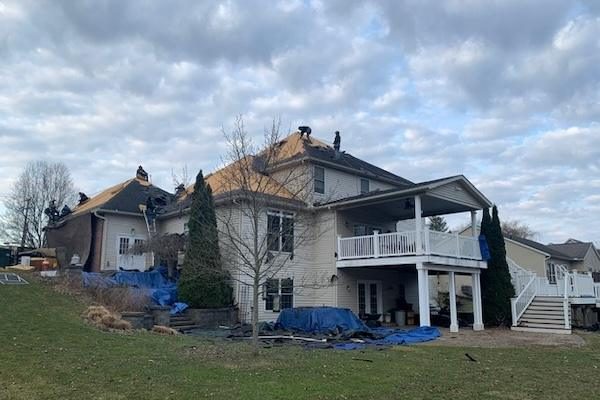
Owning a home in South Carolina comes with a unique set of challenges and rewards. The beautiful coastal landscapes and warm climate are a major draw for residents, but the environment can be incredibly demanding on a house’s exterior. From the intense summer heat and high humidity to the sudden and often severe storm systems that roll through Berkeley County, your home is constantly under pressure. To preserve your investment and ensure your family’s safety, it is essential to take a proactive approach to maintenance. This means looking beyond just the aesthetic appeal of your siding or the color of your shingles and focusing on the structural integrity of the entire building envelope.
A comprehensive maintenance strategy involves regular inspections and timely repairs of your roof, gutters, and siding. Many homeowners in the Lowcountry wait until they see a visible leak or significant storm damage before calling a professional, but by then, the cost of repair has often skyrocketed. By working with a local expert like Cane Bay Roofing, you can identify minor issues before they become major structural problems. This proactive mindset not only saves you money in the long run but also provides peace of mind during the Atlantic hurricane season, knowing that your home is prepared to withstand whatever nature throws its way.
Understanding the Lifecycle of a South Carolina Roof
The roof is undoubtedly the most critical component of your home’s defense system. In areas like Summerville and Cane Bay, roofs are subjected to extreme UV radiation, which can cause shingles to become brittle and lose their protective granules over time. Additionally, the frequent heavy rains and high humidity levels can lead to the growth of algae and moss, which can trap moisture against the roof surface and accelerate deterioration. Most architectural shingle roofs are designed to last between 20 and 30 years, but the actual lifespan in the South Carolina climate can be significantly shorter if the roof is not properly maintained.
Homeowners should be on the lookout for several key signs that their roof is approaching the end of its functional life. These include shingles that are curling at the edges, bald spots where granules have washed away, and any signs of sagging in the roofline. If you notice an abundance of “sand” in your gutters after a rainstorm, it is a clear indication that your shingles are shedding their protective layer. Regular inspections by a qualified contractor can help you determine if a simple repair will suffice or if it is time to start planning for a full replacement to ensure your home remains watertight and structurally sound.
The Critical Role of a Functional Gutter System
While the roof sheds the water, the gutter system is responsible for directing that water away from your home’s foundation. In a region known for intense downpours, a failing gutter system can lead to a host of expensive problems. When gutters are clogged with debris or are improperly pitched, water can overflow and pool around the base of your home. Over time, this can lead to foundation cracks, basement flooding, and even soil erosion that compromises the stability of your landscaping. Furthermore, standing water in gutters is a primary breeding ground for mosquitoes, a common nuisance in the South Carolina Lowcountry.
Proper gutter maintenance involves more than just cleaning out leaves twice a year. It requires ensuring that all downspouts are clear and that the water is being discharged at least five to ten feet away from the foundation. Homeowners should also inspect the “fascia” boards—the wooden boards that the gutters are attached to—for signs of rot. If water is leaking behind the gutter, it can quickly rot the wood and eventually lead to water intrusion into the attic space. Investing in high-quality gutter guards or seamless gutter systems can significantly reduce the maintenance burden and provide superior protection for your home’s foundation and structural components.
Siding: Your Home’s First Line of Defense Against the Elements
Siding serves as the protective “skin” of your home, shielding the interior framing and insulation from wind, rain, and pests. In South Carolina, vinyl and fiber cement siding are the most popular choices due to their durability and resistance to rot. However, even the toughest siding materials require regular attention. High winds from tropical storms can loosen panels, creating gaps where water and insects can enter. Additionally, the humid climate can lead to the growth of mildew and mold on the siding surface, which not only looks unsightly but can also degrade the material over time if left unaddressed.
Maintaining your siding involves regular cleaning to remove dirt and organic growth, as well as inspecting for any cracks, holes, or loose sections. If you notice that your energy bills are unexpectedly rising, it could be a sign that your siding or the underlying house wrap has been compromised, allowing air to leak in and out of your home. Replacing old, damaged siding is one of the most effective ways to boost your home’s curb appeal and increase its resale value. It also provides an opportunity to upgrade your home’s insulation, making it more comfortable and energy-efficient year-round.
Preparing for the Impact of Severe Storms
For residents of Berkeley County, storm preparation is a way of life. Whether it’s a localized summer thunderstorm with high winds or a major hurricane, the potential for storm damage is always present. A well-maintained exterior is your best defense against these events. This means ensuring that your roof is secure, your gutters are clear, and your siding is properly attached. It also involves trimming back any overhanging tree branches that could fall and damage your home during a storm. Taking these steps in advance can significantly reduce the risk of catastrophic damage and make the recovery process much smoother.
In the aftermath of a severe storm, it is crucial to conduct a thorough inspection of your home’s exterior. Even if there are no obvious signs of damage from the ground, high winds can lift shingles and break the adhesive seals, leaving your roof vulnerable to future leaks. Hail can also cause “bruising” on shingles that is difficult to see but can lead to premature failure. If you suspect your home has sustained damage, it is important to contact a reputable local contractor who can provide a professional assessment and assist you with the insurance claims process. Avoid “storm chasers” who appear after a disaster; instead, rely on established local businesses with a track record of service in the community.
The Importance of Proper Attic Ventilation
One of the most overlooked aspects of roof health is attic ventilation. In the sweltering South Carolina heat, attic temperatures can easily exceed 150 degrees if the space is not properly ventilated. This extreme heat can literally “bake” your shingles from the inside out, causing them to age prematurely. Proper ventilation involves a balance of intake vents (usually located in the soffits) and exhaust vents (located near the ridge of the roof). This allows cool air to enter at the bottom and hot, moist air to escape at the top, creating a continuous flow of air that keeps the attic temperature closer to the outside temperature.
Good ventilation also helps to prevent moisture buildup in the winter. While we don’t experience the same “ice damming” issues as northern states, moisture from the living space can still migrate into the attic. If this moisture is trapped, it can condense on the underside of the roof deck, leading to mold growth and wood rot. Ensuring that your attic is properly insulated and ventilated is a key part of maintaining your roof’s integrity and improving your home’s overall energy efficiency. A professional roofing contractor can evaluate your current ventilation system and recommend improvements to ensure your roof lasts as long as possible.
Navigating the Roof Replacement Process
There eventually comes a time when repairs are no longer sufficient and a full roof replacement is necessary. This is a significant investment, and it is important to understand the process so you can make informed decisions. A professional roof replacement involves more than just “nailing down new shingles.” It starts with a complete tear-off of the old materials down to the wooden roof deck. This allows the contractor to inspect the wood for any rot or damage that needs to be repaired before the new system is installed. A solid foundation is essential for the longevity of your new roof.
The next steps involve installing a series of protective layers, including a leak barrier in vulnerable areas like valleys and around chimneys, a high-quality underlayment over the entire deck, and new flashing to ensure water is directed away from joints and transitions. Finally, the new shingles are installed according to manufacturer specifications. When choosing a contractor for a roof replacement, it is important to look for someone who is licensed, insured, and offers a comprehensive warranty on both materials and labor. Taking the time to choose the right partner will ensure that your new roof provides reliable protection for decades to come.
Enhancing Curb Appeal and Property Value
While the primary goal of exterior maintenance is protection, the secondary benefit is the significant impact it has on your home’s value. The exterior is the first thing people see, and “curb appeal” plays a huge role in a buyer’s perception of a property. A home with a clean, well-maintained roof, sparkling gutters, and vibrant siding signals to potential buyers that the property has been cared for and is likely in good condition overall. Conversely, visible exterior issues can be a major red flag that leads to lower offers or difficulty selling the home.
Even if you aren’t planning to sell in the near future, investing in your home’s exterior is a smart financial move. Modern roofing and siding materials are more durable and energy-efficient than ever before. For example, architectural shingles not only look better than traditional three-tab shingles but also offer superior wind resistance. New siding can include integrated insulation that lowers your monthly utility bills. By viewing exterior maintenance as an investment rather than just an expense, you can enjoy a more beautiful, comfortable, and valuable home while protecting your most significant asset from the elements.
The Benefits of Working with Local Experts
When it comes to your home’s exterior, local knowledge is invaluable. A contractor who lives and works in Berkeley County understands the specific climate challenges and building codes of the region. They know which materials perform best in the high heat and humidity and how to properly secure a roof for hurricane-force winds. Local contractors also have a vested interest in maintaining their reputation within the community, which often leads to a higher level of service and accountability compared to large, national companies.
Furthermore, a local expert is readily available if you have questions or if an issue arises after the job is complete. They can provide ongoing maintenance and inspections, helping you stay ahead of potential problems. When you support a local business, you are also contributing to the local economy and helping to build a stronger community. Whether you need a minor gutter repair or a major roof replacement, choosing a local professional ensures that you receive personalized service and expert guidance tailored to the unique needs of your South Carolina home.
Creating a Long-Term Maintenance Schedule
The key to successful home ownership is consistency. Rather than waiting for a crisis, create a simple maintenance schedule to keep your home’s exterior in top shape. This should include a visual inspection of your roof and siding every spring and fall, as well as after any major storm. Clean your gutters at least twice a year, or more frequently if you have many trees on your property. Every few years, consider having a professional conduct a more detailed inspection to identify any hidden issues that might not be visible from the ground.
By staying on top of these small tasks, you can prevent minor issues from escalating into major headaches. A well-maintained home is more resilient, more efficient, and more enjoyable to live in. It also gives you the confidence that your family and your belongings are protected from the unpredictable South Carolina weather. Remember, your home’s exterior is its first line of defense; take care of it, and it will take care of you for years to come.
Conclusion: A Proactive Approach to Home Protection
In conclusion, maintaining the exterior of your South Carolina home is a continuous process that requires attention and investment. From the roof over your head to the siding on your walls and the gutters that manage the rain, every component plays a vital role in the overall health and safety of your property. By understanding the unique challenges of the coastal climate and taking a proactive approach to inspections and repairs, you can ensure that your home remains a safe and beautiful haven for your family.
Don’t wait for the next major storm to test the integrity of your home’s exterior. Take the time now to evaluate your roof, gutters, and siding, and address any issues you find. Whether you are doing the work yourself or partnering with a trusted local professional, the effort you put into maintenance today will pay dividends in the form of a more durable, valuable, and resilient home. Your home is likely your most significant investment; protect it with the care and attention it deserves, and you will enjoy the rewards for many years to come.
