

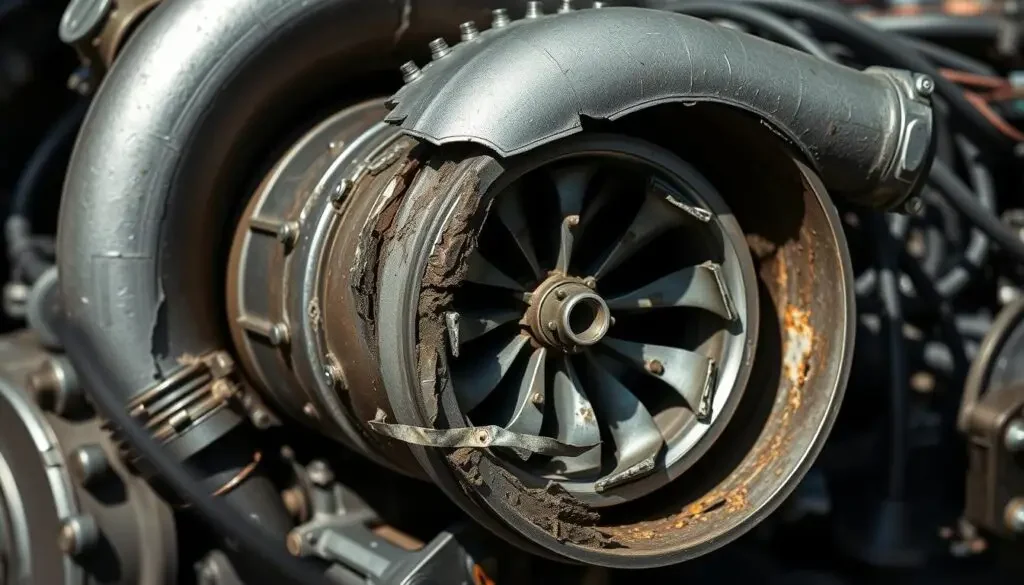
For owner-operators and fleet managers, a truck that isn’t moving is a liability. In the heavy-duty trucking world, the engine is the heart of the operation, and the turbocharger is the lungs. When a turbo fails on a heavy-duty engine, the result isn’t just a drop in power; it is an immediate loss of revenue and a potential catalyst for catastrophic engine damage.
The ISX15 is a workhorse, but the demands of long-haul trucking—constant load variations, extreme temperature swings, and high mileage—put immense stress on the turbocharger. Recognizing the early warning signs of failure can be the difference between a scheduled maintenance stop and an expensive emergency tow from the shoulder of an interstate.
Recognizing the Red Flags of Turbo Degradation
Turbo failure rarely happens in a vacuum. Usually, the component provides several warnings before a total blowout occurs. Ignoring these signs often leads to “runaway” scenarios or oil contamination in the intake system.
Unusual Noise and Vibration
A healthy turbo should produce a consistent, smooth whistle. If you begin to hear a high-pitched scream or a grinding metallic sound, it usually indicates a bearing failure or a bent turbine shaft. When the shaft begins to wobble, the compressor wheel may make contact with the housing, leading to rapid degradation of the internal components.
Exhaust Smoke and Color Changes
The color of your exhaust is a direct window into what is happening inside the combustion chamber.
- Blue Smoke: This is the most common sign of turbo failure. It indicates that oil is leaking past the seals and into the intake or exhaust stream, where it is being burned.
- Black Smoke: While often related to fuel injectors, excessive black smoke can also signal a turbo that is no longer providing enough air to support the fuel load, resulting in an overly rich mixture.
The Sudden Drop in Payload Performance
If you notice that your truck is struggling to maintain speed on grades where it previously cruised with ease, you are likely dealing with a boost leak or a failing turbo. A loss of manifold pressure means the engine cannot breathe, forcing the driver to downshift more frequently and increasing fuel consumption per mile.
Preventing Total Engine Failure During Replacement
When a turbo reaches the end of its service life, simply swapping the part is not enough. If you install a new unit into a system that caused the previous one to fail, you will likely destroy the new part within a few thousand miles.
The most critical step in any replacement process is identifying the root cause. Common culprits include contaminated oil, clogged breathers, or a failing lubrication system. If the oil feed line is restricted, the new turbo will be starved of lubrication, leading to immediate bearing seizure.
For those looking to upgrade or replace their current setup, investing in a high-quality Cummins ISX15 Turbo ensures that the engine maintains the correct air-to-fuel ratio required for emissions compliance and maximum torque.
The Critical Role of Oil Quality
Turbos spin at incredibly high RPMs—often exceeding 100,000 RPM. At these speeds, the oil film is the only thing preventing metal-on-metal contact. Using the correct viscosity and ensuring the oil is free of soot and particulates is non-negotiable. Many fleet operators find that shortening oil drain intervals slightly can extend the life of the turbocharger significantly.
Long-Term Maintenance for Maximum Uptime
To avoid the downtime associated with turbo failure, a proactive maintenance schedule is more cost-effective than reactive repairs.
Monitor the Air Intake System
The turbo is a vacuum; it will pull in anything that can get through the filter. A torn boot or a loose clamp in the intake piping allows “unfiltered” air—dust, grit, and debris—to enter the compressor wheel. These particles act like sandpaper, eroding the blades and ruining the balance of the wheel. Regularly inspecting all clamps and hoses for cracks or leaks is a five-minute task that saves thousands of dollars.
Avoid Immediate Shutdowns
After a long haul at high load, the turbocharger is extremely hot. If the engine is shut down immediately, the oil flowing through the turbo stops, but the heat remains. This can cause the oil to “coke” or bake onto the bearings. Allowing the engine to idle for three to five minutes before shutdown allows the oil to carry heat away from the turbo, preventing carbon buildup and extending the component’s lifespan.
By focusing on these concrete maintenance steps and recognizing the early warning signs of wear, fleet owners can keep their trucks on the road and their revenue streams consistent.
