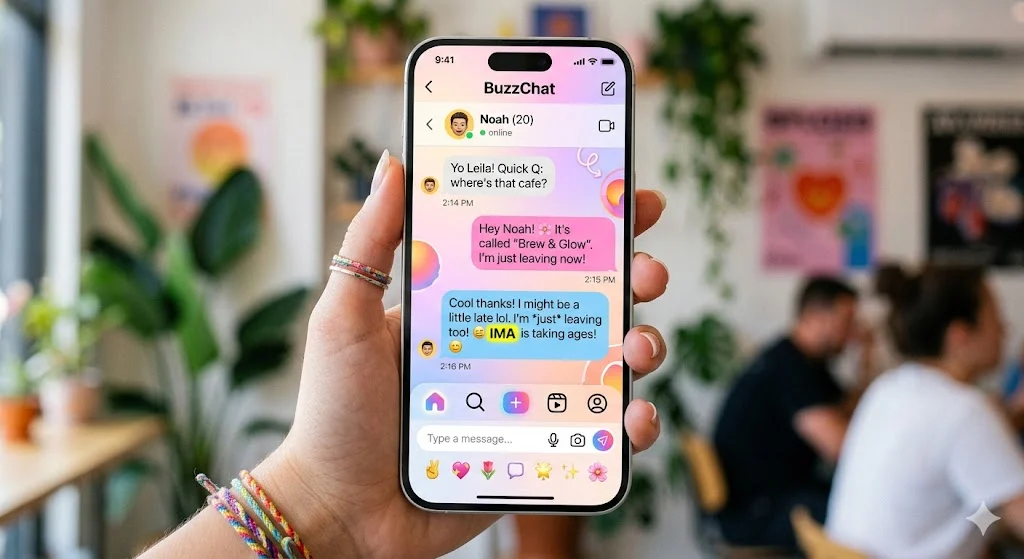

Have you ever seen someone type “ima” in a message and wondered what it means? You’re not alone. In today’s fast-paced digital world, texting slang has become a big part of how we communicate. Short forms like “ima” make conversations quicker, easier, and more natural.
Understanding ima meaning in text is important if you want to keep up with modern chat, social media, and online communication. This small word is used daily by teenagers, young adults, and even content creators.
It may look confusing at first, but once you understand it, you’ll see how simple and useful it is. It helps people express actions they are about to take in a casual and friendly way.
In this complete guide, you’ll learn everything about ima meaning in text, including its definition, examples, usage in different contexts, cultural differences, and when to use it or avoid it.
Let’s start with the basics.
What Does IMA Mean in Text? (Quick Answer)
IMA means “I’m going to.”
It is a casual way of saying you are about to do something.
Example:
Ima call you later.
👉 Simple: ima meaning in text = I am going to do something.
Definition & Meaning
Simple Definition
IMA = I’m going to
It is commonly used in:
- Text messages
- Social media
- Casual conversations
Why People Use IMA
- It’s faster to type
- Sounds natural and relaxed
- Matches spoken language
Key Points
- IMA shows future action
- It is informal
- Often used with verbs
Real-Life Text Examples
Example 1:
Ima eat now.
Example 2:
Ima watch a movie tonight.
Example 3:
Ima text you later.
Example 4:
Ima go to sleep.
👉 These examples clearly show how ima meaning in text works in everyday conversations.
Background & History
The term “ima” comes from spoken English, especially informal speech.
Origin
People often say:
- “I’m gonna” instead of “I am going to”
Over time, this became:
- “ima” in texting
Evolution
- Spoken Language: “I’m gonna go”
- Early Texting: “im gonna go”
- Modern Slang: “ima go”
Cultural Influence
- Popular in American English
- Spread globally through social media
- Used by Gen Z and millennials
👉 Today, ima meaning in text reflects how people speak in real life.
Usage in Different Contexts
📱 Texting
Used in daily chat conversations.
Examples:
Ima call you later.
Ima finish my work first.
Tone: Casual, relaxed
📸 Social Media
Used in captions and comments.
Examples:
Ima post this later 😎
Ima start my fitness journey today
Tone: Fun, expressive
🎮 Gaming
Used for quick communication.
Examples:
Ima join the game now
Ima attack from the left
Tone: Fast, direct
👯 Friends Chat
Very common among friends.
Examples:
Ima come over tonight
Ima bring snacks
Tone: Friendly, informal
Quick Context Table
| Context | Example | Tone |
|---|---|---|
| Texting | Ima sleep now | Personal |
| Social Media | Ima try this trend | Casual |
| Gaming | Ima push now | Direct |
| Friends | Ima meet you later | Friendly |
Professional Communication
Using ima in professional settings is not recommended.
❌ Avoid in
- Emails
- Reports
- Business messages
✅ Use Instead
- “I will”
- “I am going to”
- “I plan to”
Example:
I will complete the task today.
👉 Keep communication formal at work.
Hidden or Offensive Meanings
IMA is not offensive, but it can feel unprofessional.
Safe Example
Ima help you with that.
Risky Example
Ima ignore this.
This can sound rude depending on tone.
👉 Always consider how your message sounds.
Usage in Online Communities & Dating Apps
💬 Dating Apps
Used to show plans.
Examples:
Ima be honest with you
Ima visit your city soon
🌐 Online Communities
Used in discussions.
Examples:
Ima try this method
Ima share my experience
Tips
- Keep it respectful
- Avoid overuse
- Be clear
Comparison with Similar Terms
| Term | Meaning | Tone | Usage |
|---|---|---|---|
| IMA | I’m going to | Casual | Texting |
| GONNA | Going to | Informal | Speech/text |
| BRB | Be right back | Casual | Chat |
| IDC | I don’t care | Strong | Informal |
| TTYL | Talk to you later | Friendly | Chat |
Key Difference
- IMA = action soon
- GONNA = similar but more spoken
10 Slang Terms & Acronyms Related to IMA
- Imao – playful variation
- Ima go – leaving
- Ima try – attempt
- Ima see – check later
- Ima call – future action
- Ima text – communication
- Ima join – entering
- Ima start – beginning
- Ima finish – completing
- Ima fix – solving
How to Respond
😊 Casual Responses
- “Okay!”
- “Cool, see you.”
😂 Funny Responses
- “Ima wait then 😄”
💼 Professional Responses
- “Sounds good.”
- “Please proceed.”
🔒 Privacy Responses
- “Let me know later.”
Regional & Cultural Differences
🌍 Western Countries
- Very common
- Used in daily chat
🇵🇰 South Asia
- Popular among youth
- Mixed with Urdu
Example:
Ima ghar ja raha hun
🌐 Global Usage
- Used worldwide in English texting
Common Mistakes to Avoid
- Using in formal writing
- Overusing it
- Using unclear sentences
FAQs
1. What is ima meaning in text?
It means “I’m going to.”
2. Is ima correct English?
No, it is informal slang.
3. Can I use ima in emails?
No, avoid it.
4. Is ima the same as gonna?
Yes, similar meaning.
5. Who uses ima?
Mostly young people and social media users.
6. Is ima rude?
No, but it can sound unprofessional.
Conclusion
Now you understand ima meaning in text clearly. It simply means “I’m going to” and is used to show future actions in a casual way.
It’s common in texting, social media, and online chats. While it makes communication quick and friendly, it’s important to use it in the right context.
Avoid using it in professional settings and be mindful of tone. When used correctly, “ima” helps you sound natural and modern in conversations.
👉 Keep learning slang to stay updated and communicate better in today’s digital world.