

Outdoor living has become a central part of how homeowners design and enjoy their spaces. From morning coffee on the patio to weekend gatherings under the stars, people are investing more thought and money into creating comfortable, stylish outdoor areas. Among the most popular choices for these spaces is outdoor wicker furniture, prized for its timeless aesthetic and versatility. However, choosing wicker pieces that truly last presents a real challenge. Many homeowners have experienced the frustration of purchasing beautiful furniture only to watch it deteriorate after a single season of sun and rain. The struggle to find options that balance visual appeal, durability, and affordability is one nearly every buyer faces. This guide walks you through the essential factors in selecting durable outdoor wicker furniture—from understanding materials and weather-resistant features to finding budget-friendly sets that won’t compromise on quality. By the end, you’ll have the knowledge to make a confident purchase that enhances your home for years to come.
Understanding Wicker Outdoor Furniture: Types and Materials
One of the most common misconceptions about wicker is that it refers to a specific material. In reality, wicker describes a weaving technique—the process of interlacing flexible strands around a frame to create furniture. This distinction matters because the material used in that weave determines how well your furniture will perform outdoors.
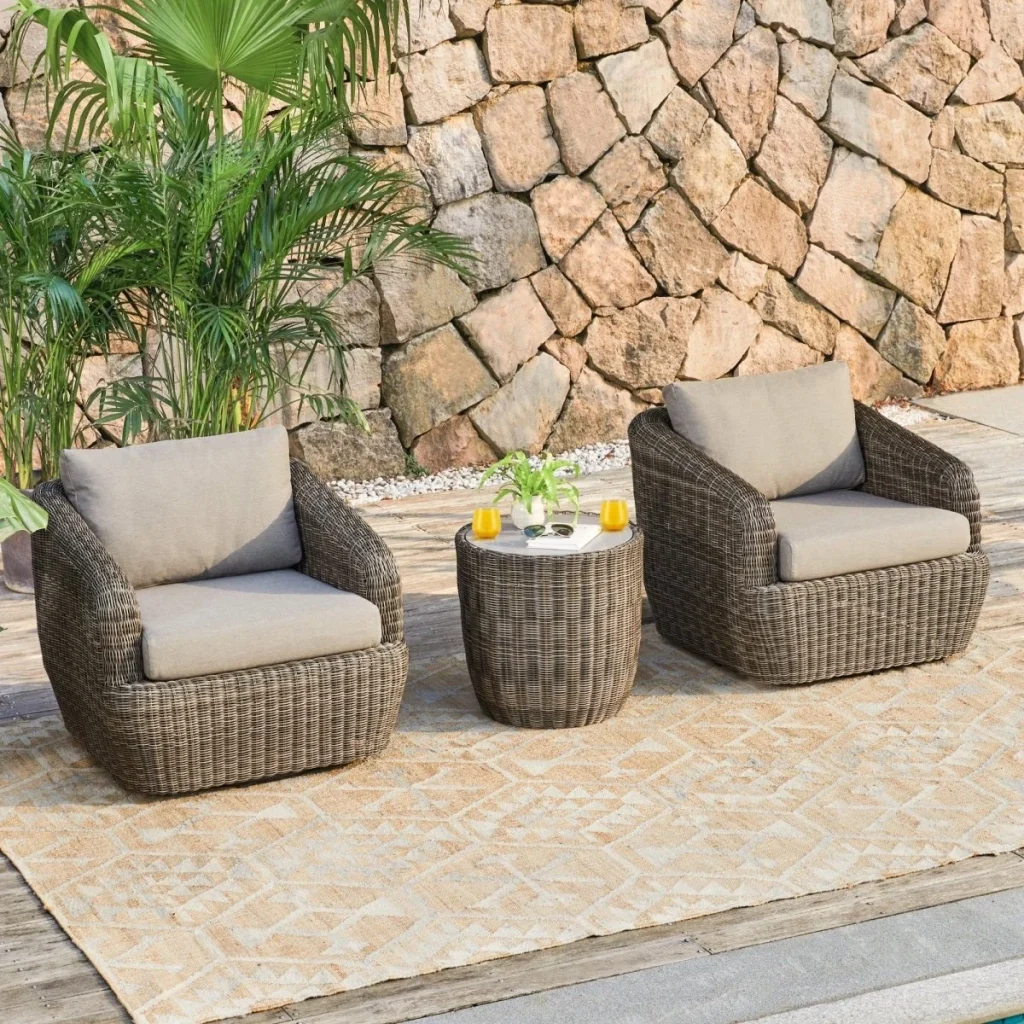
Natural wicker relies on organic materials like rattan, bamboo, willow, or seagrass. These options offer undeniable beauty and a classic, warm texture that many homeowners love. However, natural wicker has significant limitations for outdoor use. Rattan and bamboo are prone to cracking, fading, and moisture damage when exposed to the elements consistently. They work best in covered porches or sunrooms where direct weather exposure is minimal.
Synthetic wicker, made from resin or high-density polyethylene (HDPE), was engineered specifically to solve these problems. Wicker outdoor furniture crafted from synthetic materials mimics the look of natural fibers while resisting moisture, UV rays, and temperature fluctuations. HDPE wicker in particular won’t crack, peel, or become brittle over time, making it the preferred choice for fully exposed patios and poolside areas.
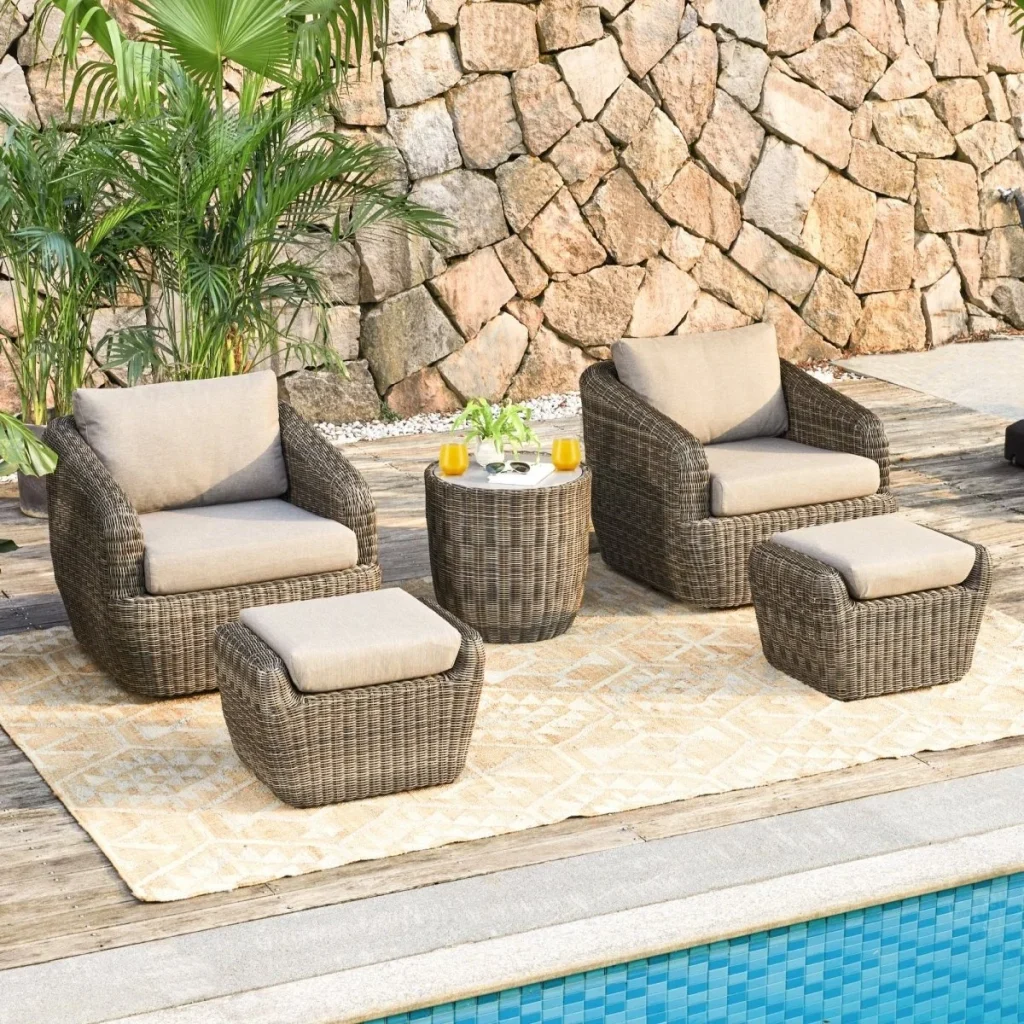
The material you choose directly impacts how much maintenance your furniture demands and how many seasons it will serve you well. Natural wicker may need annual sealing and careful storage, while synthetic versions typically require nothing more than occasional washing. For homeowners seeking true outdoor durability without constant upkeep, synthetic wicker consistently proves the smarter long-term investment.
Key Features of Durable Outdoor Furniture: Weather Resistance and Beyond
Beyond material selection, specific construction features separate furniture that lasts from pieces that fall apart within months. Understanding these features helps you evaluate any outdoor wicker furniture before purchasing, ensuring you get genuine long-term value rather than a short-lived aesthetic upgrade.
The frame beneath the wicker weave is arguably the most critical structural element. Aluminum frames offer an excellent combination of lightweight strength and rust resistance, making them ideal for humid climates or poolside placement. Powder-coated steel provides even greater rigidity for heavier pieces like dining chairs and sofas, with the coating adding a protective barrier against corrosion. Avoid furniture with untreated iron or thin, flimsy frames that flex under pressure—these signal poor construction that won’t survive seasonal changes.
UV Protection and Fade Resistance
Prolonged sun exposure breaks down materials at a molecular level, causing colors to bleach and fibers to become brittle. Quality outdoor wicker furniture incorporates UV stabilizers directly into the resin during manufacturing, rather than relying on surface-level coatings that wear away. This through-body color approach means even if the surface gets scratched, the color remains consistent underneath. Look for manufacturers that specify UV-resistant ratings or mention fade-resistant technology in their product descriptions.
Water Resistance and Mold Prevention
Moisture creates the fastest path to furniture deterioration through mold growth, structural weakening, and unpleasant odors. Durable outdoor wicker uses tightly sealed weaves that prevent water from pooling within the frame structure. Proper drainage design allows rainwater to pass through rather than collect in joints and crevices. Additionally, non-porous synthetic materials resist mold and mildew naturally, unlike organic fibers that absorb moisture and create breeding grounds for fungal growth.
Choosing the Right Patio Set for Your Space
Selecting the perfect patio set starts with an honest assessment of your outdoor area. Before browsing catalogs or visiting showrooms, grab a tape measure and map out your available space, noting any architectural features like columns, railings, or steps that affect furniture placement. A common mistake is purchasing pieces that overwhelm a small balcony or look lost on a sprawling deck. Leave at least three feet of clearance around dining tables for comfortable movement, and account for door swings and walkway paths that need to remain unobstructed.
How you actually use your outdoor space should drive your selection more than aesthetics alone. Families who host regular dinners benefit most from a complete dining set with a table and six chairs, while couples who prefer relaxed evenings might prioritize a conversation set with deep-seated outdoor wicker chairs and a coffee table. If your patio serves multiple purposes—kids’ play area by day, adult retreat by evening—modular configurations that can be rearranged offer the greatest flexibility.
Comfort deserves as much attention as appearance. Seat depth, back angle, and armrest height all affect whether you’ll actually spend time in your furniture or avoid it after the novelty fades. Test pieces in person whenever possible, sitting for several minutes rather than just a quick perch. Consider cushion thickness and whether replacements are readily available for your chosen set. For homeowners working within a budget, prioritizing the pieces you’ll use daily makes more financial sense than buying a complete collection at once. Start with a core seating group and add accent tables or loungers in subsequent seasons as your budget allows.
Finding Affordable Outdoor Lounge Sets Without Sacrificing Quality
Budget constraints don’t have to mean settling for furniture that won’t last. The outdoor furniture market has expanded significantly, and smart shopping strategies can help you find an outdoor lounge set that delivers genuine durability at a reasonable price point. The key is knowing where to focus your attention and where compromises actually cost you more in the long run.
Timing your purchase makes a substantial difference. End-of-season sales in late summer and early fall often discount quality pieces by thirty to fifty percent, as retailers clear inventory for new collections. Holiday weekends throughout spring also bring competitive promotions. Synthetic wicker consistently offers better value than natural alternatives for outdoor use because it eliminates the ongoing costs of sealants, protective covers, and premature replacement. When evaluating lower-priced options, check the warranty first—manufacturers confident in their product’s durability back it with multi-year coverage. A three-year warranty on a budget set signals far more reliability than an expensive piece with no guarantee at all.
Avoid the common pitfall of choosing based on appearance alone. Inspect frame thickness, weave tightness, and joint construction even on discounted items. Some value-oriented brands like Chitaliving deliver excellent durability by using quality materials and thoughtful designs while maintaining accessible price points. Consider purchasing a smaller outdoor lounge set with superior construction rather than a larger collection built with inferior materials. Two well-made pieces you enjoy for a decade always outperform five cheap items you replace every other year.
Step-by-Step Guide to Selecting and Maintaining Your Furniture
Making a confident furniture decision becomes much easier when you follow a structured approach rather than impulse shopping. Start by assessing your specific needs and establishing a realistic budget before you look at a single product. Write down how many people typically use your outdoor space, what activities happen there most often, and what weather conditions your furniture will face year-round. This clarity prevents emotional purchases that don’t serve your lifestyle.
Next, research materials and brands with your requirements in mind. Read verified buyer reviews focusing on how pieces hold up after two or more seasons rather than initial impressions. Once you’ve narrowed your options, inspect each candidate for durability features in person or through detailed product specifications—check frame material and thickness, weave density, and joint reinforcement at stress points. Wiggle armrests, press on seat platforms, and examine where the wicker attaches to the frame. Then test comfort thoroughly, sitting in various positions for at least five minutes to assess whether the ergonomics suit your body. After purchasing and setting up your furniture on a level surface with adequate drainage beneath, establish a maintenance routine from day one to protect your investment.
Regular Cleaning Tips
Synthetic wicker thrives with minimal care, but consistent attention prevents buildup that becomes harder to remove over time. Every two weeks during active use, spray furniture down with a garden hose to dislodge dust, pollen, and debris trapped in the weave. Monthly, use a soft brush with mild soap and warm water to scrub between strands where grime accumulates. Rinse thoroughly and allow pieces to air dry completely before replacing cushions. For stubborn spots, a solution of water and white vinegar works effectively without damaging the resin. Always clean cushion covers separately according to their fabric care labels, and flip cushions regularly to ensure even wear.
Seasonal Storage Advice
Even weather-resistant furniture benefits from seasonal protection. In regions with harsh winters, store wicker pieces in a garage, shed, or covered area to minimize prolonged exposure to ice and snow. If indoor storage isn’t feasible, invest in breathable furniture covers that shield against precipitation while allowing air circulation to prevent trapped moisture. Before storing, clean all pieces thoroughly and ensure they’re completely dry. Stack chairs carefully with soft padding between them to avoid scratching. Remove cushions entirely and store them indoors in a dry closet or storage bin. Come spring, inspect frames and weaves for any loosening before returning furniture to active use.
Building a Lasting Outdoor Space With the Right Wicker Furniture
Choosing durable outdoor wicker furniture comes down to a few critical decisions that determine whether your investment thrives for years or disappoints after a single season. Material selection stands as your first and most important consideration—synthetic wicker made from HDPE resin consistently outperforms natural alternatives in outdoor environments, resisting moisture, UV damage, and temperature extremes without demanding constant maintenance. Beyond the weave itself, sturdy aluminum or powder-coated steel frames, UV-stabilized coloring, and tight drainage-friendly construction separate lasting furniture from disposable purchases. Balancing affordability with quality is entirely achievable when you time your purchases strategically, prioritize structural integrity over sheer quantity, and look for warranty-backed pieces from reputable brands. Following a structured selection process—from honest space assessment through hands-on comfort testing—removes guesswork and prevents costly impulse buys. Once your furniture is in place, simple routines like regular hosing, monthly scrubbing, and proper seasonal storage protect your pieces through years of enjoyment. A well-chosen patio set doesn’t just furnish your outdoor space; it transforms how you live at home, creating a retreat that invites you outside every day. Apply this guide with confidence, and you’ll build an outdoor area that looks beautiful and performs reliably season after season.
