

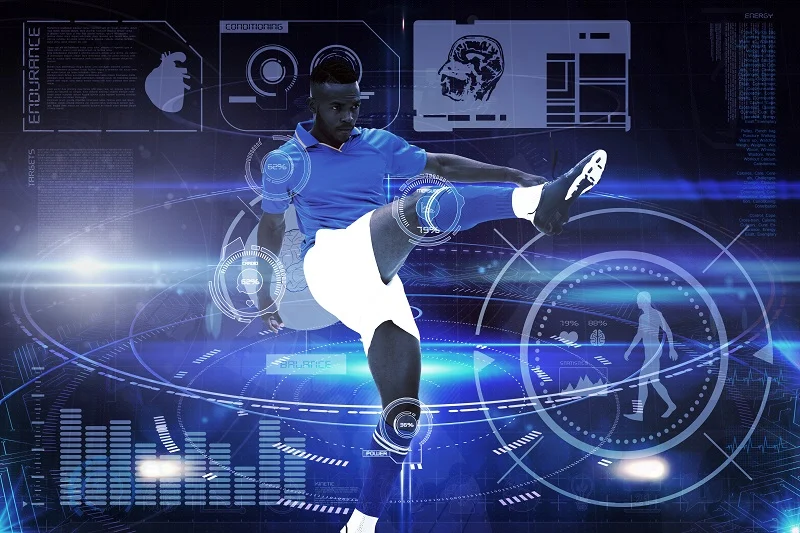
Sports entertainment has evolved dramatically over the past decade, thanks to rapid technological advancements. From live streaming and virtual reality to artificial intelligence and wearable devices, technology is reshaping the way fans experience sports and how athletes perform on the field. Today, sports are no longer limited to stadium audiences or television broadcasts. Digital innovation has created immersive experiences that connect millions of fans globally in real time. As technology continues to advance, the future of sports entertainment looks more exciting, interactive, and accessible than ever before.
The Rise of Digital Streaming Platforms
One of the biggest technological changes in sports entertainment is the growth of digital streaming services. Traditional cable television is gradually being replaced by online streaming platforms that allow fans to watch their favorite matches anytime and anywhere. Sports organizations now partner with digital platforms to deliver live events directly to smartphones, tablets, and smart TVs.
Streaming technology has improved viewing quality with high-definition and ultra-HD broadcasts. Fans can enjoy multiple camera angles, instant replays, and real-time statistics while watching games. This accessibility has expanded the global audience for sports and increased engagement among younger viewers who prefer mobile-friendly entertainment options.
Artificial Intelligence in Sports Broadcasting
Artificial intelligence has become an important part of modern sports entertainment. AI-powered systems analyze player movements, match statistics, and game patterns in real time. Broadcasters use this technology to provide deeper insights during live matches, making sports coverage more informative and engaging.
AI also helps create personalized viewing experiences for fans. Streaming platforms can recommend highlights, matches, and sports content based on user preferences. Automated commentary systems and AI-generated analytics are making sports broadcasts more interactive and entertaining. In the future, AI could completely transform how fans consume sports content online.
Virtual Reality and Augmented Reality Experiences
Virtual reality and augmented reality are creating immersive sports experiences for audiences around the world. VR technology allows fans to feel as though they are sitting inside a stadium without leaving their homes. Using VR headsets, viewers can watch matches from different angles and experience the excitement of live sports in a highly realistic environment.
AR technology enhances live broadcasts by adding digital graphics, player statistics, and interactive features directly onto the screen. These innovations improve fan engagement and make sports entertainment more dynamic. Teams and event organizers are increasingly investing in VR and AR solutions to attract tech-savvy audiences and create unforgettable viewing experiences.
Wearable Technology and Athlete Performance
Wearable technology is another innovation transforming sports entertainment. Athletes now use smart devices to track heart rate, speed, movement, and physical performance during training and competitions. Coaches and trainers analyze this data to improve performance, reduce injuries, and develop personalized fitness programs.
Fans also benefit from wearable technology because broadcasters use real-time performance data during live events. Viewers can see player speeds, stamina levels, and other statistics instantly on screen. This level of insight creates a deeper connection between fans and athletes while making sports broadcasts more exciting and educational.
Social Media and Fan Engagement
Social media platforms have revolutionized communication between sports teams, athletes, and fans. Platforms such as Instagram, YouTube, TikTok, and X allow fans to interact directly with their favorite players and teams. Athletes can share behind-the-scenes content, training sessions, interviews, and personal moments with millions of followers instantly.
Sports organizations use social media to promote events, share live updates, and build global fan communities. Interactive polls, live chats, and exclusive online content help maintain fan interest even outside major tournaments. Technology-driven fan engagement strategies are becoming essential for sports brands looking to expand their digital presence.
Smart Stadiums and Enhanced Live Experiences
Modern stadiums are becoming smarter through advanced technologies. Smart stadiums now offer high-speed internet, mobile ticketing, facial recognition systems, and contactless payments to improve the fan experience. Visitors can order food, find seats, and access live statistics directly from their smartphones.
Large digital screens, interactive displays, and advanced lighting systems create more entertaining environments during live events. Some stadiums even use artificial intelligence to manage crowd control and improve security. These innovations make attending sports events safer, more convenient, and more enjoyable for fans.
Esports and the Digital Sports Revolution
Technology has also fueled the rapid growth of esports, which has become a major part of modern sports entertainment. Competitive gaming tournaments attract millions of online viewers and offer prize pools worth millions of dollars. Esports like tangkasnet combine technology, entertainment, and competition in ways that appeal strongly to younger generations.
Professional esports players train like traditional athletes and compete in global tournaments streamed live online. Many sports organizations and celebrities are investing in esports teams and gaming platforms. As digital entertainment continues to grow, esports is expected to become an even larger part of the global sports industry.
The Future of Technology in Sports Entertainment
The future of sports entertainment will continue to be shaped by emerging technologies. Artificial intelligence, 5G networks, blockchain technology, and advanced data analytics will create even more personalized and immersive experiences for fans. Smart devices and connected technologies will allow audiences to interact with sports in completely new ways.
Technology will also improve athlete health, training methods, and performance analysis. Fans may soon experience holographic broadcasts, fully interactive virtual stadiums, and AI-powered sports assistants. As innovation continues, the relationship between sports and technology will become stronger than ever before.
Conclusion
Technology is transforming every aspect of sports entertainment, from broadcasting and fan engagement to athlete performance and live event experiences. Digital streaming, artificial intelligence, virtual reality, wearable devices, and smart stadiums are changing how people watch, play, and interact with tangkasnet android. These advancements are making sports more accessible, immersive, and exciting for global audiences. As technology continues to evolve, the future of sports entertainment promises endless possibilities for fans, athletes, and organizations alike.
