

At-home wellness technology has surged in recent years, with more people seeking effective, non-invasive solutions to support their health from the comfort of their own homes. Among the most talked-about innovations is the LED red light panel — a device once reserved for clinical settings that has now found its way into living rooms, home gyms, and morning routines worldwide.
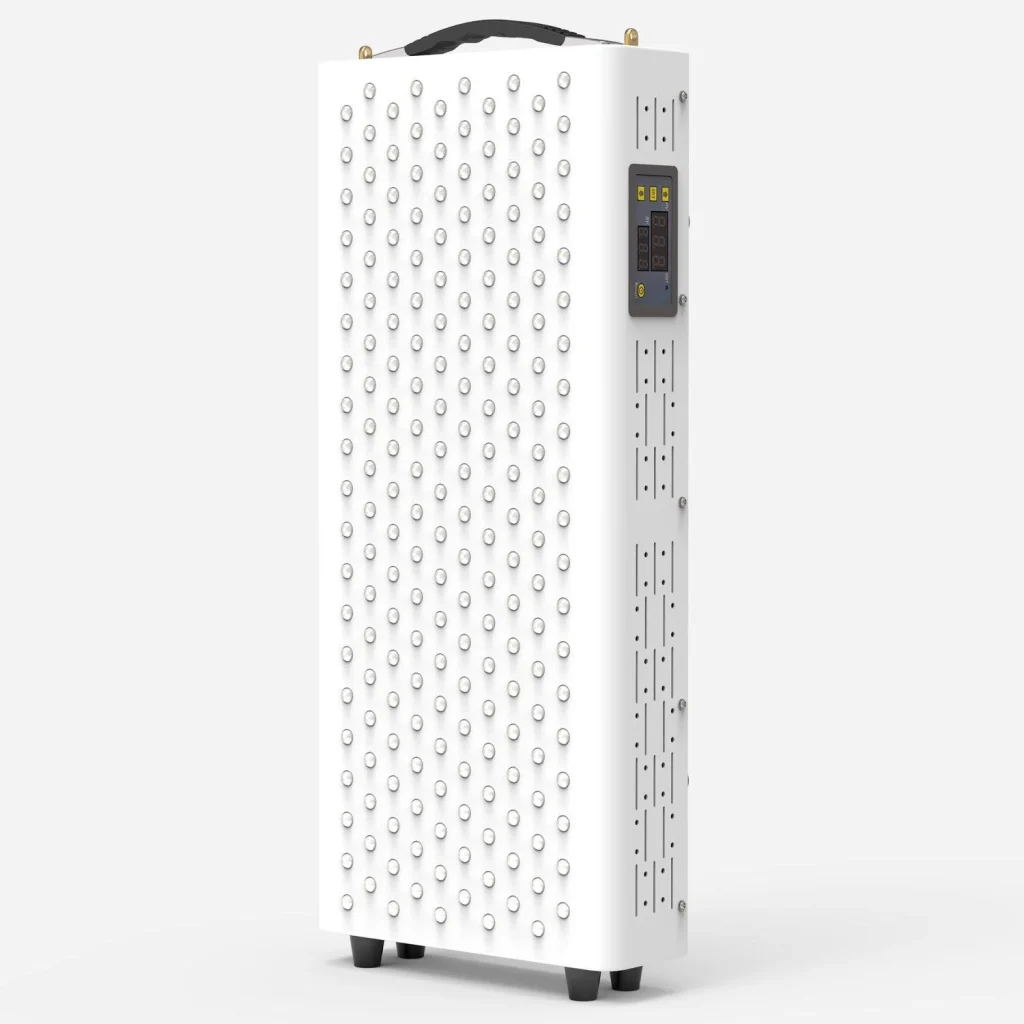
These panels harness specific wavelengths of light to interact with the body at a cellular level, most notably by activating mitochondria — the tiny structures responsible for producing the energy that powers every cell. Beyond energizing cells, red light therapy has shown promising results for skin health, from stimulating collagen production to calming inflammation. It’s no wonder health-conscious individuals are paying close attention.
This article explores how LED red light panels can support overall wellness. You’ll discover the science behind mitochondria activation and how it translates into real-world energy gains, learn about the skin improvements backed by clinical research, and understand the added advantages that infrared light brings for deeper tissue healing. Whether you’re new to light therapy or looking to deepen your knowledge, this guide offers practical insight to help you make informed decisions about integrating this technology into your wellness routine.
How LED Red Light Panels Work: Activating Mitochondria for Energy Production
Understanding Mitochondria: The Powerhouses of Cells
Every cell in your body relies on mitochondria to convert nutrients into usable energy. These microscopic organelles produce adenosine triphosphate (ATP), the molecule that fuels virtually every biological process — from muscle contractions to immune responses. When mitochondrial function declines due to aging, stress, or poor lifestyle habits, cellular energy output drops, leaving people feeling sluggish and run down. This is why wellness seekers are increasingly focused on supporting mitochondrial health as a foundation for overall vitality, rather than simply masking symptoms with stimulants or supplements.
The Mechanism: Red Light Wavelengths and Cellular Response
LED red light panels deliver light primarily at the 660nm wavelength, a frequency that penetrates several millimeters into skin tissue and is readily absorbed by a mitochondrial enzyme called cytochrome c oxidase. When this enzyme absorbs red light photons, it triggers a cascade of biochemical reactions: nitric oxide — which can inhibit cellular respiration — is displaced, allowing oxygen to bind more efficiently and accelerating ATP synthesis. The result is a measurable increase in cellular energy output.
This isn’t just theoretical. Research published in peer-reviewed journals has documented significant increases in ATP production following red light exposure, correlating with reduced oxidative stress and improved cellular repair rates. In practical terms, consistent users report meaningful improvements in energy levels throughout the day, faster recovery after physical exertion, and reduced feelings of mental fatigue. Athletes using red light panels before or after training sessions often notice they push harder and bounce back more quickly. Even sedentary users dealing with chronic tiredness have described a renewed sense of alertness after just a few weeks of regular sessions. These real-world outcomes reflect the underlying science: when mitochondria operate more efficiently, the entire body benefits.
Enhancing Skin Health with Red Light Therapy
Collagen Boost and Anti-Aging Effects
Skin aging is driven largely by the gradual decline of collagen — the structural protein responsible for keeping skin firm, plump, and resilient. LED red light panels address this at the source by stimulating fibroblasts, the specialized cells that produce collagen within the dermis. When red light at 660nm penetrates the skin, fibroblasts absorb that energy and ramp up their collagen synthesis, gradually rebuilding the skin’s structural matrix. Over weeks of consistent use, users typically notice a visible reduction in fine lines and wrinkles, improved skin tone, and a firmer texture that reflects genuine biological change rather than surface-level cosmetic coverage. A clinical study published in Photomedicine and Laser Surgery found that participants who underwent red light therapy sessions showed statistically significant improvements in skin complexion and elasticity compared to controls — results that align with the fibroblast activation mechanism.
Healing and Reducing Inflammation
Beyond anti-aging, red light therapy has meaningful applications for people dealing with inflammatory skin conditions. Acne, rosacea, and general skin redness share a common thread — chronic low-grade inflammation — and red light’s ability to modulate that inflammatory response makes it a useful tool for calming flare-ups and supporting clearer skin. Research has shown that red light exposure reduces the expression of pro-inflammatory cytokines while simultaneously accelerating wound healing by promoting cellular turnover and tissue repair. For acne-prone skin, this translates to faster resolution of active breakouts and reduced post-inflammatory hyperpigmentation. Incorporating a brief red light session into a morning or evening skincare routine — after cleansing and before applying serums — allows the light to penetrate unobstructed, maximizing its regenerative effects. For those focused specifically on facial skin, wearable formats such as the YouLumi red light therapy mask offer a hands-free way to deliver consistent coverage across the full face during this step. Unlike many topical treatments, this approach works systemically within the skin rather than sitting on the surface, offering benefits that compound meaningfully with regular use.
Infrared Light Benefits: Beyond Skin to Deep Healing
Penetration Depth and Tissue Repair
While red light at 660nm works primarily within the skin’s upper layers, near-infrared light — typically emitted at wavelengths between 810nm and 850nm — travels significantly deeper, reaching muscle tissue, tendons, and even bone. This distinction matters enormously for anyone seeking benefits that go beyond cosmetic improvements. At these longer wavelengths, photons penetrate up to several centimeters beneath the surface, stimulating mitochondrial activity in tissues that surface-level treatments simply cannot access. For people engaged in regular physical training, this depth translates into tangible recovery advantages: infrared exposure after intense workouts accelerates the repair of micro-tears in muscle fibers, reduces the buildup of lactic acid, and measurably shortens the window of post-exercise soreness. Studies examining infrared therapy in athletic populations have documented reduced delayed-onset muscle soreness (DOMS) and faster restoration of strength output — findings that explain why recovery-focused athletes have adopted this technology as a standard post-training protocol.
Pain Management and Wellness Applications
For those managing chronic conditions rather than athletic recovery, infrared light offers a compelling, drug-free complement to conventional care. Joint inflammation associated with arthritis responds particularly well to infrared therapy; the deeper penetration allows light energy to reach synovial tissue and surrounding cartilage, reducing inflammatory markers and improving local circulation. People with lower back pain, stiff joints, or repetitive strain injuries often report meaningful relief after consistent sessions. Integrating infrared light into a daily wellness routine is straightforward — a 10 to 20-minute session targeting a specific area of concern, ideally in the evening when the body naturally shifts toward repair and recovery, can build cumulative benefits over time. Many LED panels combine red and infrared wavelengths in a single device, making it practical for users to address both surface skin health and deep tissue concerns within one session, streamlining the path to comprehensive, systemic wellness support.
Implementing Red Light Therapy: A Practical Guide for Wellness Seekers
Selecting an LED Red Light Panel
Choosing the right panel comes down to a few critical factors. Look for devices that emit both 660nm red and 810–850nm near-infrared wavelengths, since combining these frequencies allows you to address skin health and deep tissue repair within a single session. Verify that the panel carries FDA clearance or approval, which confirms it has met established safety standards. Power output matters too — higher irradiance levels mean more photons delivered per session, shortening the time needed to achieve therapeutic effect. Panels that cover a larger surface area are more efficient for full-body use, while compact models suit targeted treatment of specific joints or facial skin.
Usage Guidelines and Safety Measures
For beginners, start with sessions of 10 minutes, positioning the panel roughly 6 to 12 inches from the treatment area. Gradually increase to 15–20 minutes as your body adapts. Three to five sessions per week is sufficient for most wellness goals, with consistency delivering far better results than occasional extended use. Always wear protective goggles to shield your eyes from direct light exposure, regardless of how mild the device feels. Avoid applying photosensitizing skincare products before sessions. People with photosensitive conditions, active cancer diagnoses, or those taking medications that increase light sensitivity should consult a healthcare provider before beginning. With steady, disciplined use, the cumulative benefits — from improved energy to clearer skin and faster recovery — become genuinely noticeable within four to eight weeks.
Red Light Therapy: A Science-Backed Wellness Investment
LED red light panels represent one of the most accessible and well-researched wellness tools available today. At their core, they work by energizing mitochondria — the cellular engines that power every biological function — through targeted red light wavelengths that trigger measurable increases in ATP production. This foundational benefit ripples outward, supporting the kind of sustained energy and cellular resilience that wellness seekers actively pursue.
The skin health advantages add another compelling dimension. By stimulating fibroblasts to rebuild collagen and calming the inflammatory pathways that drive conditions like acne and rosacea, consistent red light use delivers visible, progressive improvements that go far deeper than any topical product can achieve. Layer in the near-infrared wavelengths that reach muscles, joints, and connective tissue, and the scope of benefit expands significantly — addressing pain, accelerating recovery, and supporting the body’s natural healing processes at a systemic level.
What makes this technology genuinely exciting is its trajectory. As research continues to validate and expand these findings, light therapy is steadily transitioning from a niche clinical tool to a cornerstone of everyday preventive health. For anyone committed to a proactive, non-invasive approach to wellness, incorporating an LED red light panel into a consistent daily routine is a practical, evidence-backed step worth taking.
