
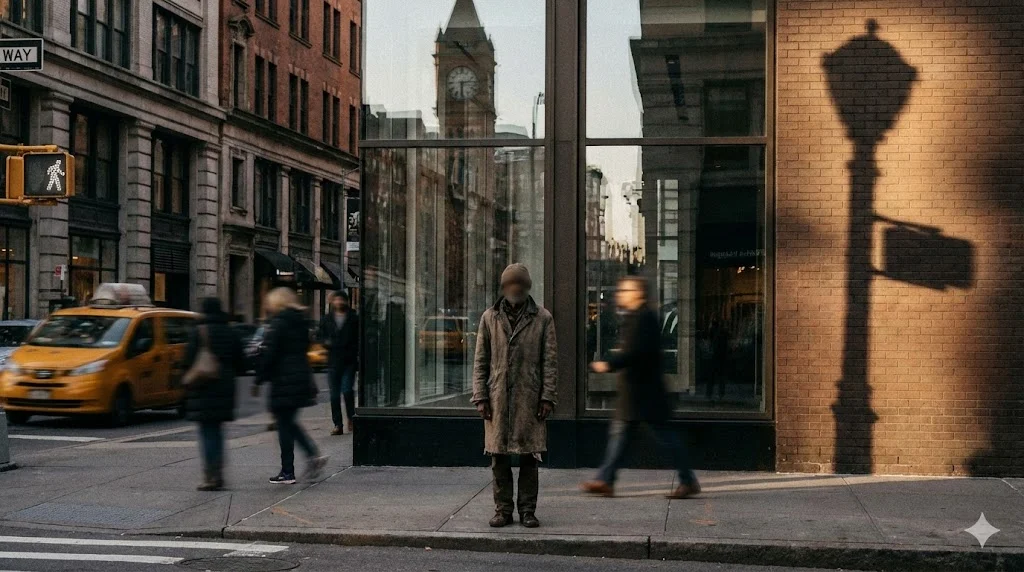

Some moments stop you cold.
You look around and think, this can’t be real.
Your mind knows what’s happening, yet your body disagrees.
That strange gap between reality and perception is where surreal meaning lives.
The word surreal shows up everywhere. People use it after big wins, shocking losses, and life-changing news. Artists use it to bend reality. Writers use it to unsettle you. Yet many still ask the same question: what does surreal mean?
This guide answers that question fully.
You’ll understand the meaning of surreal, how it works in language, art, psychology, and daily life, and how to use it correctly without sounding vague or dramatic.
Surreal Meaning in English Explained Clearly
At its core, surreal meaning describes something that feels real yet strangely unreal at the same time.
In simple terms:
Surreal means something feels dreamlike, distorted, or oddly unreal while still happening in real life.
This matters.
Surreal doesn’t mean imaginary.
It doesn’t mean fake.
It means reality feels off.
Define Surreal in Plain English
- Something real is happening
- Your mind struggles to process it
- The experience feels dreamlike or uncanny
- Logic feels stretched but not broken
A helpful way to think about it:
Surreal moments happen when reality moves faster than your brain can keep up.
Meaning of Surreal vs Literal Definition
Dictionaries describe surreal as beyond or outside ordinary reality.
That’s accurate but incomplete.
Language lives in context.
So does meaning.
Denotation vs Connotation
| Aspect | Explanation |
|---|---|
| Denotation | Official definition: dreamlike or unreal |
| Connotation | Emotional shock, disbelief, wonder, detachment |
When someone says, “That moment felt surreal,” they aren’t talking about fantasy.
They’re describing an emotional lag between perception and reality.
What Does Surreal Mean in Everyday Language?
In daily conversation, surreal word meaning leans emotional.
People use surreal when something overwhelms their expectations.
Common real-life situations include:
- Achieving a lifelong goal
- Experiencing sudden loss
- Standing in a place once imagined
- Witnessing history unfold live
- Receiving shocking news
Everyday Usage Examples
- “Winning the award felt surreal.”
- “Seeing my childhood home abandoned was surreal.”
- “The silence after the announcement felt surreal.”
Each example shows the same pattern.
Reality happens.
Emotion lags behind.
Surreal Context: Why the Word Feels So Specific
Surreal isn’t a casual adjective like cool or weird.
It describes a mental state.
Three elements usually exist together:
- Familiar surroundings
- Unexpected outcome
- Emotional overload
When those collide, the brain shifts into a surreal response.
Quick Analogy
Imagine watching your life through glass.
Everything looks real.
You’re there.
Yet something separates you from the moment.
That distance creates the surreal feeling.
The Surreal Concept at Its Core
To understand surreal explained properly, you need the core idea.
Surreal experiences disrupt expected reality without fully replacing it.
Key Characteristics of Surreal Experiences
- Reality feels distorted but not false
- Logic bends without breaking
- Emotions feel delayed or muted
- Time often feels slowed or stretched
This is why surreal moments feel quiet, heavy, or cinematic.
Surreal vs Unreal vs Bizarre
Many people confuse these words.
They are not interchangeable.
Clear Comparison Table
| Word | Meaning | Key Difference |
|---|---|---|
| Surreal | Real but dreamlike | Happens in real life |
| Unreal | Impossible or fictional | Not grounded in reality |
| Bizarre | Strange or shocking | May lack emotional depth |
Why This Matters
Calling a moment unreal suggests disbelief.
Calling it surreal suggests emotional processing.
That nuance matters in writing and speech.
Surreal Feeling Meaning in Psychology
A surreal feeling is a known psychological response.
It often appears during moments of emotional overload.
What Causes Surreal Feelings?
- Sudden life changes
- Trauma or shock
- Extreme joy
- Unexpected success
- Grief or loss
Your brain protects itself by slowing emotional intake.
Psychological Explanation
When emotions spike too fast, the mind creates distance.
That distance feels dreamlike.
That’s the surreal experience.
It’s not illness.
It’s a coping mechanism.
Why Does Something Feel Surreal in Real Life?
This question appears often in searches.
The answer blends biology and psychology.
The Brain’s Role
Your brain predicts reality constantly.
When reality breaks those predictions, processing slows.
Three Common Triggers
- Magnitude: The event is too big
- Speed: It happens too fast
- Meaning: It changes identity or direction
When those combine, the brain delays emotional response.
That delay feels surreal.
Dreamlike Meaning and Surreal Experiences
People often say surreal feels dreamlike.
That comparison fits.
Dreams follow emotional logic, not strict rules.
Surreal moments borrow that same structure.
Shared Traits Between Dreams and Surreal Moments
- Altered sense of time
- Heightened detail
- Emotional detachment
- Symbolic thinking
Yet unlike dreams, surreal moments are real.
That contrast creates the unsettling effect.
Surreal Meaning in Art
In art, surreal meaning becomes intentional.
Artists use surreal elements to expose the subconscious.
Surreal Art Definition
Surreal art presents realistic images arranged in impossible or illogical ways.
The goal isn’t confusion.
The goal is emotional truth.
Surrealism Art Meaning
Surrealism emerged in the early 20th century.
It challenged rational thinking after global trauma.
Core Ideas of Surrealism
- The subconscious matters
- Dreams reveal truth
- Logic limits creativity
- Reality isn’t fixed
Surrealism didn’t reject reality.
It reassembled it.
Surrealism Movement Explained Simply
The surrealism movement focused on inner experience.
Key Figures
- André Breton: Defined surrealism’s philosophy
- Salvador Dalí: Painted hyper-real dream imagery
- René Magritte: Challenged perception and symbols
Movement Goals
- Blend dreams with waking life
- Expose hidden desires
- Disrupt logical expectations
This movement shaped modern art, film, and advertising.
Surreal Imagery: Why It Feels Unsettling
Surreal imagery uses familiarity against you.
Common Visual Techniques
- Ordinary objects in strange places
- Scale distortion
- Floating or melting forms
- Repeated symbols
Your brain recognizes the objects.
Then it rejects their arrangement.
That tension creates emotional response.
Surreal Meaning in Literature
In writing, surreal meaning emerges through atmosphere.
Surreal Writing Style Features
- Nonlinear time
- Blurred reality
- Symbolic events
- Unexplained transformations
Surreal literature doesn’t explain itself.
It invites interpretation.
Surreal Description vs Fantasy Writing
Fantasy builds new worlds.
Surreal writing distorts this one.
Key Difference Table
| Aspect | Surreal Writing | Fantasy Writing |
|---|---|---|
| Setting | Real or realistic | Fully imagined |
| Logic | Emotional | Rule-based |
| Purpose | Psychological impact | World-building |
Surreal writing feels closer to life.
That’s why it unsettles.
Surreal Usage in Modern Language
Today, surreal appears beyond art.
Common Modern Contexts
- News events
- Sports victories
- Celebrity encounters
- Personal milestones
Its popularity comes from emotional precision.
Few words describe disbelief and presence simultaneously.
Surreal in a Sentence: Correct Examples
Using the word well matters.
Natural Spoken Examples
- “Walking onto that stage felt surreal.”
- “The quiet after the storm was surreal.”
Reflective Writing Examples
- “Time slowed and the moment turned surreal.”
- “Reality felt thin, almost surreal.”
Avoid using it as filler.
Let the moment earn the word.
Surreal Situation Meaning Explained
A surreal situation usually combines:
- Normal setting
- Abnormal outcome
- Emotional contrast
Example:
Hearing laughter during a serious moment creates a surreal situation.
The clash defines it.
Common Mistakes When Using Surreal
Many misuse the word.
Frequent Errors
- Using it as a synonym for cool
- Applying it to minor events
- Overusing it for emphasis
- Confusing it with fantasy
If the moment didn’t alter perception, it wasn’t surreal.
Synonyms and Related Words Explained
Not all similar words mean the same thing.
Surreal-Adjacent Vocabulary Table
| Word | Best Use |
|---|---|
| Dreamlike | Soft, hazy feelings |
| Otherworldly | Alien or mystical |
| Absurd | Illogical humor |
| Uncanny | Familiar yet disturbing |
Choose carefully.
Precision improves clarity.
Is Surreal Positive or Negative?
Surreal itself carries no emotion.
Context decides.
Positive Surreal Moments
- Life achievements
- Unexpected joy
- Awe-filled experiences
Negative Surreal Moments
- Loss
- Trauma
- Shock
The word reflects perception, not judgment.
Surreal Meaning in Emotional Language
Surreal bridges emotion and description.
It allows people to say:
- I was there
- I didn’t feel there
Few words hold that contradiction.
Why Surreal Remains Powerful Today
Modern life moves fast.
Surreal moments increase when change accelerates.
Technology, global events, and rapid success amplify emotional overload.
The word survives because it explains that overload simply.
Quick Facts About Surreal Meaning
- Surreal moments are real, not imagined
- Emotional delay creates the feeling
- The word originated in artistic philosophy
- Modern usage emphasizes experience over theory
Frequently Asked Questions About Surreal Meaning
What does surreal mean in simple words?
It means something real feels dreamlike or unreal emotionally.
Is surreal a feeling or a description?
It’s both. It describes how a moment feels.
Can a happy moment feel surreal?
Yes. Joy can overwhelm perception.
Is surreal the same as imaginary?
No. Surreal moments happen in reality.
Final Thoughts on Surreal Meaning
Surreal isn’t about fantasy.
It’s about processing reality.
When life moves faster than emotion, the mind pauses.
That pause feels surreal.
Understanding the surreal meaning helps you describe moments honestly.
It adds clarity instead of exaggeration.
And when the next unbelievable moment arrives, you’ll know exactly what to call it.