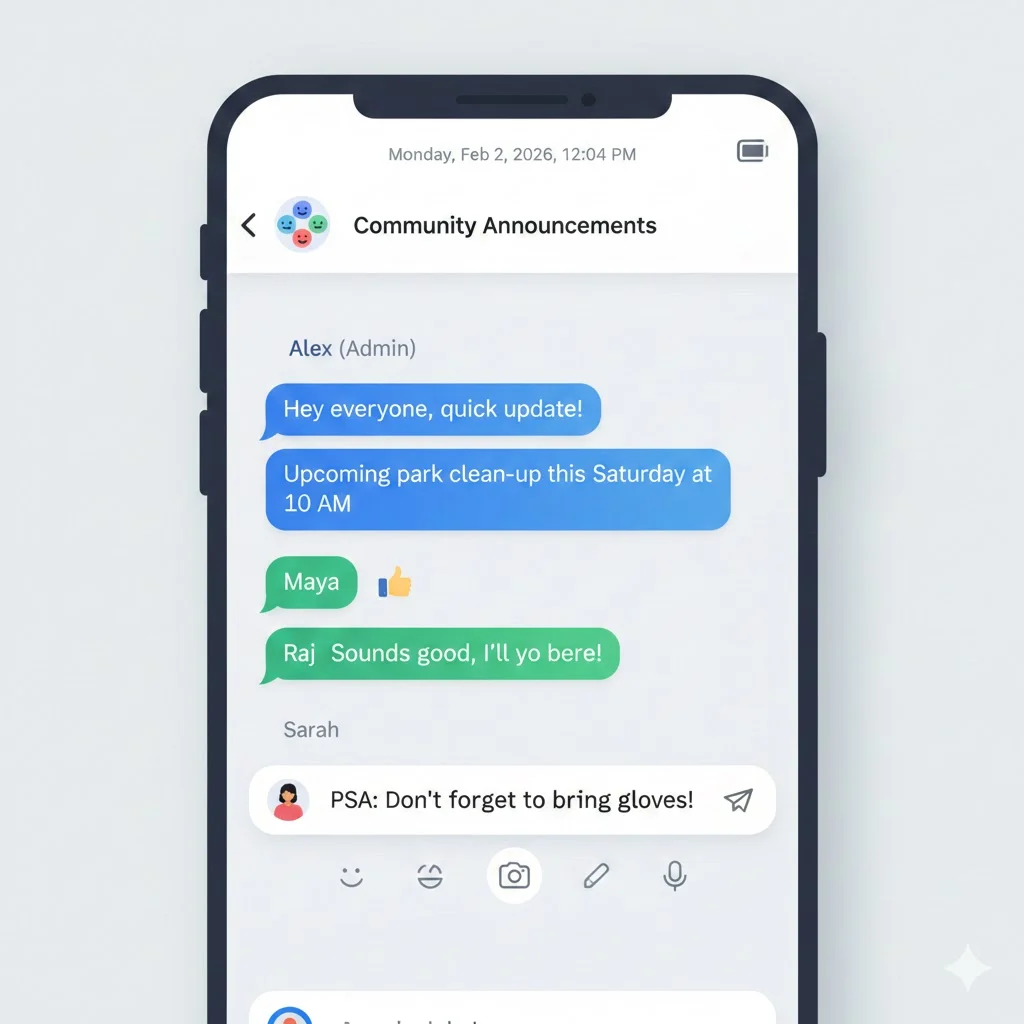

You might have seen someone start a message with “PSA” on social media, in a group chat, or even in a work email. At first glance, it looks serious. But then the message turns out to be funny, sarcastic, or casually informative. That’s when confusion kicks in. What does PSA really mean in slang?
Understanding psa meaning slang is important because this term is used everywhere today. From Instagram captions to WhatsApp groups, from gaming chats to professional Slack channels, PSA has taken on new life beyond its original meaning.
In this article, we will explain what PSA means in slang, where it comes from, how it is used in casual and professional settings, common mistakes people make, and how meaning changes based on region and culture. By the end, you will know exactly when to use PSA and when to avoid it.
Definition & Meaning of PSA
PSA originally stands for Public Service Announcement. In slang and online communication, it is used to introduce an important message, warning, reminder, or announcement that the sender thinks others should know.
In simple terms, PSA means
“Hey everyone, this is important. Please pay attention.”
PSA Meaning in Slang
In slang usage, PSA is not always serious. It can be
- Informative
- Funny
- Sarcastic
- Casual
- Slightly dramatic for effect
Examples in Simple Sentences
- PSA: The cafeteria closes at 5 PM today.
- PSA: Do not text your ex after midnight.
- PSA: The game servers are down again.
Dialogue Example
Alex: “Why did you post that?”
Sam: “It was a PSA. People needed to know.”
Key Points
- PSA is used at the start of a message
- It grabs attention quickly
- It works like a headline in slang conversations
- Tone depends on context
Background & History of PSA
The term Public Service Announcement dates back to radio and television broadcasting. Governments and organizations used PSAs to spread awareness about safety, health, and social issues.
Original Purpose
- Road safety
- Health awareness
- Emergency alerts
- Social responsibility messages
Evolution Into Slang
As internet culture grew, people started borrowing formal terms and using them casually. PSA became a perfect candidate. It sounded official, but could be used humorously.
How It Changed Over Time
- First used seriously in media
- Adopted by online forums
- Popularized on social media
- Now widely used in memes, captions, and chats
Today, PSA does not always mean something serious. Sometimes it just means
“Quick heads up”
Usage in Different Contexts
PSA meaning slang changes depending on where it is used.
Casual Conversations
Used among friends to give advice or reminders.
Examples
- PSA: Bring snacks if you are coming over.
- PSA: Mondays are not the day to test my patience.
Social Media
Very popular on Instagram, Twitter, TikTok, and Facebook.
Examples
- PSA: Drink water and mind your business.
- PSA: This app needs a dark mode urgently.
Gaming & Online Communities
Gamers use PSA to alert others.
Examples
- PSA: The boss fight is bugged.
- PSA: Update your game before joining the lobby.
Professional Contexts
Used carefully in emails or workplace chats.
Examples
- PSA: Office will be closed on Friday due to maintenance.
- PSA: Deadline for reports has been moved to Monday.
Legal or Formal Contexts
Rare but still used in its original meaning.
Examples
- PSA issued by the city regarding traffic changes.
- Health department released a PSA about flu prevention.
Comparison Table
| Context | Meaning | Tone |
|---|---|---|
| Casual chat | Friendly reminder | Relaxed |
| Social media | Announcement or joke | Informal |
| Gaming | Alert or warning | Direct |
| Professional | Important update | Neutral |
| Legal | Official notice | Formal |
Professional Communication
Using PSA in professional communication depends on workplace culture.
When PSA Is Appropriate
- Internal team chats
- Slack or Microsoft Teams
- Informal company culture
Example
PSA: Please submit your timesheets by Friday.
When PSA Is Not Appropriate
- Legal documents
- Client contracts
- Formal letters
In such cases, use
- Notice
- Announcement
- Important update
Professional Alternatives
- Important reminder
- Please note
- Official update
Hidden or Misunderstood Meanings
PSA can be misunderstood if tone is unclear.
Common Misunderstandings
- People may think it is official when it is not
- Some may take it sarcastically
- Others may ignore it thinking it is a joke
Risky Example
- PSA: Do not mess this up
This can sound passive aggressive.
Safer Example
- PSA: Please double check your work before submission.
Tip
If the message is serious, add clarity.
If it is a joke, add context or emojis.
Usage in Emails, Business & Legal Documents
Email Example
Subject: PSA Office Schedule
Hello Team,
PSA: The office will close early on Thursday due to maintenance.
Thank you
Business Example
- PSA shared internally about policy updates
- PSA about system downtime
Legal Example
In legal contexts, PSA refers strictly to Public Service Announcement and should not be used casually.
Synonyms & Related Phrases
Depending on tone, PSA can be replaced with
Casual Synonyms
- Heads up
- Quick reminder
- FYI
- Just saying
Professional Synonyms
- Notice
- Announcement
- Important update
- Please note
Slang Related Terms
- FYI
- Reminder
- Hot take
- Alert
Example
PSA or Heads up, the meeting starts early today.
Comparison with Similar Terms
| Term | Meaning | Tone |
|---|---|---|
| PSA | Important message | Neutral to casual |
| FYI | For your information | Casual |
| Heads up | Warning or notice | Informal |
| Notice | Official information | Formal |
| Alert | Urgent information | Serious |
Common PSA Phrases
- PSA for everyone
- Quick PSA
- Friendly PSA
- Serious PSA
- Daily PSA
- PSA reminder
- PSA announcement
These phrases help clarify tone instantly.
How to Use PSA Correctly
Tips
- Place PSA at the beginning
- Keep the message short
- Match tone with audience
- Avoid overusing
Dialogue Examples
Mia: “Why do you always start with PSA?”
Noah: “Because nobody reads long messages.”
Manager: “PSA: Meeting starts at 9 AM tomorrow.”
Team: “Noted.”
Mistakes to Avoid
- Using PSA for unimportant things
- Using it in very formal documents
- Sounding sarcastic unintentionally
- Overusing PSA in every message
Wrong Example
- PSA: I like coffee
This does not need attention.
Correct Example
- PSA: Coffee machine is broken.
Regional & Cultural Differences
United States
PSA is extremely common in slang and professional chats.
United Kingdom
Used mostly in professional or informative contexts.
Canada & Australia
Used casually online but less in formal writing.
South Asia
Often misunderstood as only formal or official.
Non Native English Speakers
May confuse PSA with legal announcements. Context is key.
Example
- US user sees PSA as casual
- Non native speaker sees PSA as serious
FAQs
Q1: What does PSA mean in slang?
It means an important message or heads up.
Q2: Is PSA always serious?
No. It can be serious, funny, or sarcastic.
Q3: Can I use PSA at work?
Yes, if the environment is informal.
Q4: Is PSA the same as FYI?
No. PSA is more attention grabbing.
Q5: Is PSA rude?
No, unless tone is passive aggressive.
Q6: Can PSA be used on social media?
Yes, it is very common.
Q7: Does PSA still mean Public Service Announcement?
Yes, in formal and legal contexts.
Conclusion
Understanding psa meaning slang helps you communicate clearly in modern digital conversations. While PSA started as a serious term, it has evolved into a flexible slang expression used for reminders, warnings, jokes, and announcements.
The key is context. When used correctly, PSA grabs attention and delivers information quickly. When misused, it can confuse or annoy readers. By knowing when to use it, what tone to apply, and which alternatives work better, you can sound confident and natural both online and professionally.
Mastering PSA is not just about slang. It is about effective communication in today’s fast moving digital world.