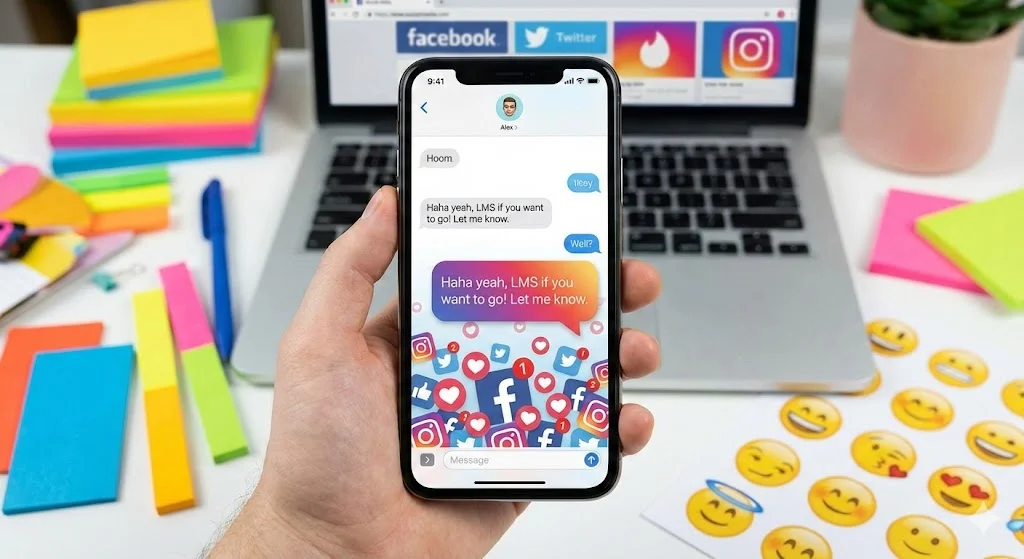

Have you ever received a message saying “Post this and LMS” or “Comment LMS if you agree” and wondered what it actually means? You are not alone. Slang terms change fast, especially on social media, and LMS is one of those abbreviations that can confuse both new and experienced users.
Understanding LMS meaning text slang is important because it is widely used on platforms like Instagram, Facebook, Snapchat, TikTok, and even in casual chats. Many people misunderstand it or use it incorrectly, which can lead to confusion or awkward replies.
In this article, we will explain the meaning of LMS in text slang, where it comes from, how it is used in different contexts, and when you should or should not use it. We will also cover common mistakes, regional differences, professional usage, and related slang terms. By the end, you will know exactly how to use LMS naturally and confidently.
Definition & Meaning of LMS in Text Slang
LMS in text slang most commonly means “Like My Status”. It is used on social media to ask others to like a post, photo, or status update.
Core Meaning:
LMS is a request for engagement. It encourages likes, interaction, or attention on a post.
Key Points to Remember:
- LMS is informal and social media focused
- It is not a professional abbreviation
- Meaning depends on context and platform
Common Interpretations of LMS:
- Like My Status
- Like My Story
- Like My Selfie
Examples in Text:
- “New pic uploaded, LMS 💙”
- “Feeling blessed today, LMS if you agree”
- “Post this and LMS for a shoutout”
Dialogue Example:
Alex: “Why are people commenting LMS on my photo?”
Sam: “They want you to like their status back.”
Important Note:
In educational or professional environments, LMS can also mean Learning Management System, but in text slang, it almost always means Like My Status.
Background & History of LMS Slang
LMS slang originated from early Facebook culture, where users wanted more likes and visibility on their posts. As social media grew, engagement became currency, and LMS became a quick way to ask for it.
How LMS Evolved:
- Early Facebook statuses used LMS for likes
- Instagram and Snapchat adopted similar usage
- TikTok comments now use LMS for interaction boosting
Why It Became Popular:
- Short and easy to type
- Encourages engagement
- Fits perfectly with social media algorithms
Cultural Influence:
Teenagers and young adults popularized LMS as part of online validation culture. Likes became a way to measure popularity, and LMS helped push that interaction.
Today, LMS is less common than before but still widely understood in casual online communities.
Usage in Different Contexts
LMS meaning changes slightly based on where and how it is used.
Casual Texting
In personal chats, LMS is playful and light.
- “I posted a throwback, LMS 😂”
- “Bored today, LMS for a surprise”
It often comes with emojis to soften the request.
Social Media Platforms
This is where LMS is most common.
- Instagram captions
- Facebook statuses
- Snapchat stories
Examples:
- “Comment LMS and I will like your last post”
- “New story up, LMS ❤️”
Gaming Communities
LMS is less common in gaming but still appears in chat rooms.
- “I shared my gameplay clip, LMS if it was good”
Table of Contexts
| Context | Meaning | Tone |
|---|---|---|
| Casual chat | Like my post | Friendly |
| Social media | Engagement request | Informal |
| Gaming | Feedback request | Casual |
| Professional | Not recommended | Unprofessional |
Professional Communication
Using LMS in professional communication is not recommended. It appears informal and unclear.
Why You Should Avoid LMS Professionally:
- It sounds immature
- Not universally understood
- Reduces credibility
Incorrect Example:
- “Please review the document and LMS”
Correct Alternative:
- “Please review the document and share your feedback.”
Safer Alternatives:
- Like
- Support
- Review
- Acknowledge
In professional emails, reports, or LinkedIn posts, avoid slang like LMS completely.
Hidden or Misunderstood Meanings
LMS is often misunderstood, especially by older users or non-native English speakers.
Common Confusions:
- LMS vs Learning Management System
- LMS vs Like Me So much
- LMS vs Love My Status
Risky Usage:
- Using LMS without context
- Using it with people unfamiliar with slang
Safe Usage:
- With friends
- On casual social platforms
- With emojis for clarity
Example:
Wrong: “Meeting today LMS”
Right: “New photo posted, LMS 😊”
Usage in Online Communities & Dating Apps
On dating apps, LMS is used carefully and less frequently.
Examples:
- “Just updated my profile pic, LMS if you like it”
- “Posted a selfie, LMS 😉”
Tips for Dating Apps:
- Avoid sounding desperate
- Use LMS casually
- Combine with humor
Dialogue Example:
User A: “Nice photo”
User B: “Thanks, just posted it earlier. LMS if you want 😄”
Synonyms & Related Phrases
People use many alternatives instead of LMS.
Common Synonyms:
- Like my post
- Drop a like
- Show some love
- Hit like
- Tap the heart
Related Slang:
Example:
“New reel up, show some love ❤️” instead of LMS
Using alternatives can make your content sound more natural and less repetitive.
Comparison with Similar Slang Terms
| Term | Meaning | Usage |
|---|---|---|
| LMS | Like my status | Social media |
| L4L | Like for like | Growth focused |
| S4S | Shoutout exchange | Influencers |
| F4F | Follow exchange |
Key Difference:
LMS is a simple request. Others imply exchange or mutual benefit.
Mistakes to Avoid
Many users misuse LMS which reduces engagement.
Common Mistakes:
- Using LMS in professional settings
- Overusing LMS in every post
- Using LMS without context
- Assuming everyone understands it
Bad Example:
- “LMS LMS LMS”
Better Example:
- “New post up, let me know what you think ❤️”
Quick Tip:
If you want genuine engagement, use natural language instead of slang.
Examples in Casual, Professional & Legal Contexts
Casual
- “Posted my vacation pic, LMS 🌴”
Professional
Avoid LMS completely.
Use: “Please like and share if you find this useful.”
Legal
LMS has no place in legal writing.
Legal language requires clarity and formality.
Regional & Cultural Differences
LMS usage varies across regions.
United States:
Very common among teens and young adults on Instagram and Snapchat.
UK & Australia:
Used less frequently but still understood.
South Asia:
Popular on Facebook and Instagram, especially among younger users.
Middle East:
Used casually in English-based social media posts.
Cultural Insight:
In some cultures, asking for likes directly is seen as attention-seeking, so LMS may be avoided.
How to Respond to LMS
Your response depends on comfort and context.
Casual Responses:
- “Done 👍”
- “Liked it ❤️”
Funny Responses:
- “Only if you like mine too 😄”
Polite Decline:
- “I will check it out later.”
Privacy Conscious:
- React with emoji instead of replying
FAQs
Q1: What does LMS mean in texting?
It usually means Like My Status.
Q2: Is LMS rude?
No, but it can sound needy if overused.
Q3: Can LMS mean something else?
Yes, professionally it means Learning Management System.
Q4: Is LMS still popular?
It is less popular but still used in casual social media.
Q5: Should I use LMS on LinkedIn?
No, LinkedIn is professional.
Q6: Is LMS used worldwide?
Mostly in English-speaking and social media active regions.
Q7: What is better than LMS?
Natural phrases like “show some love” or “drop a like”.
Conclusion
Understanding LMS meaning text slang helps you navigate modern digital communication with confidence. LMS is a casual, social media-focused abbreviation that simply asks others to like a post or status. While it works well in friendly and informal environments, it should be avoided in professional or serious contexts.
By knowing its meaning, correct usage, common mistakes, and cultural differences, you can decide when to use LMS and when to choose better alternatives. Use it naturally, avoid overuse, and always consider your audience. When used correctly, LMS can encourage engagement without sounding forced or awkward.