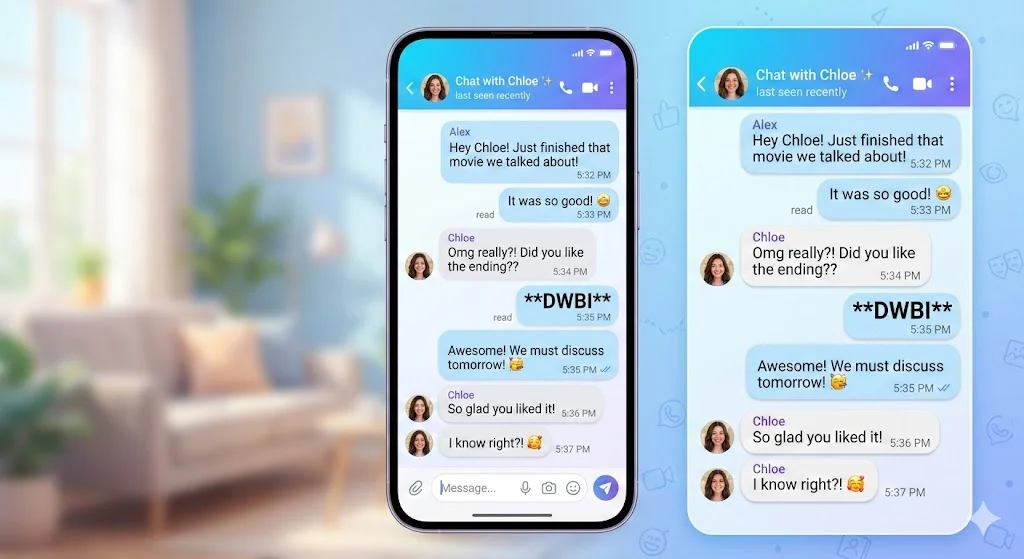

You are texting. The conversation is moving fast. Then someone replies with “DWBI.”
You pause.
What does DWBI mean in text?
If you are confused, you are not alone. Internet slang evolves daily. New abbreviations appear across TikTok, Snapchat, Instagram, Discord, and gaming chats. Some are obvious. Others leave you guessing.
Understanding the DWBI meaning in text helps you stay updated, avoid awkward misunderstandings, and communicate confidently online. Whether you are a teenager, young adult, or professional navigating digital conversations, knowing the tone and context behind abbreviations matters.
In this complete guide, you will learn:
- The exact DWBI meaning in text
- What DWBI stands for
- How it is used in social media
- Whether DWBI is rude or harmless
- When to avoid using it
- How to respond correctly
Let’s break it down clearly and simply.
What Does DWBI Mean in Text?
DWBI stands for “Don’t Worry Bout It.”
It is a casual texting abbreviation used to tell someone not to stress, not to overthink, or not to concern themselves with something.
Simple Definition
DWBI is an informal internet slang abbreviation that means “Don’t worry about it.”
- It is friendly.
- It is casual.
- It is commonly used in text messages and social media chats.
Unlike aggressive slang, DWBI is generally harmless and reassuring.
DWBI Meaning in Text: Direct Answer Format
If you are searching quickly:
DWBI means “Don’t Worry Bout It.” It is used in text messages and online chats to reassure someone or dismiss concern in a casual way.
Now let’s explore deeper.
How DWBI Is Used in Text Conversations
DWBI usually appears in relaxed conversations between friends, classmates, or online peers.
Example 1: Reassurance
Friend 1: “Sorry I replied late.”
Friend 2: “DWBI.”
Here, the sender is saying it is okay and there is no problem.
Example 2: Dismissing Small Mistakes
Person A: “I forgot to bring snacks.”
Person B: “DWBI, we are good.”
It softens tension.
Example 3: Avoiding Explanation
Sometimes DWBI can mean:
“It is not a big deal.”
“Let it go.”
“You do not need to worry.”
Tone depends on context.
DWBI Meaning in Social Media
On platforms like TikTok, Instagram, Snapchat, and Twitter, DWBI appears in comments and captions.
Common Uses
- Reassuring followers
- Responding to apologies
- Casual dismissals
- Friendly encouragement
Example:
Follower: “Sorry for commenting late.”
Creator: “DWBI!”
It signals warmth and ease.
Because it is short and friendly, it fits fast-paced social media culture.
DWBI Meaning in Gaming
In gaming chats, DWBI often appears after mistakes.
Example:
Player 1: “Sorry I missed that shot.”
Player 2: “DWBI, we got this.”
It builds teamwork and positivity.
Unlike toxic slang, DWBI can improve morale in competitive environments.
Is DWBI Rude?
Usually, no.
However, tone matters.
DWBI can feel dismissive if used in serious situations.
Example:
Person A: “I am really stressed about this exam.”
Person B: “DWBI.”
This may sound like you are brushing off their feelings.
In light situations, it works well. In emotional discussions, a fuller response may be better.
When Should You Avoid Using DWBI?
Avoid using DWBI in:
- Professional emails
- Formal workplace communication
- Academic papers
- Official documents
Instead of DWBI, use:
- “No problem at all.”
- “Please do not worry.”
- “That is completely fine.”
DWBI is casual slang, not business language.
DWBI vs Similar Texting Abbreviations
Here is how DWBI compares to similar internet slang:
| Term | Meaning | Tone | Professional Safe |
|---|---|---|---|
| DWBI | Don’t Worry Bout It | Casual | No |
| NBD | No Big Deal | Casual | Sometimes |
| NP | No Problem | Friendly | Sometimes |
| IDC | I Don’t Care | Neutral to dismissive | Risky |
| BRB | Be Right Back | Neutral | Yes |
DWBI is warmer than IDC but less formal than NP.
Why Do People Use DWBI?
People use DWBI because:
- It is quick to type
- It feels relaxed
- It matches texting culture
- It reduces tension
- It signals reassurance
Short abbreviations make conversations move faster.
Young users especially prefer fast responses.
Psychological Impact of DWBI
Language shapes emotion.
When someone says DWBI, it can:
- Reduce anxiety
- Show acceptance
- Signal friendliness
- Maintain flow in conversation
However, overuse may seem lazy or dismissive.
Balance matters.
DWBI Meaning in Different Situations
Casual Friendship
Friend: “Sorry I am late.”
You: “DWBI.”
Works perfectly.
Relationship Context
Partner: “I forgot our movie night.”
Response: “DWBI.”
Depends on tone. It could mean forgiveness or passive annoyance.
Workplace Chat
Coworker: “Sorry I missed the meeting.”
You: “DWBI.”
Better alternative: “No problem at all.”
Is DWBI Trending Slang?
DWBI is not as viral as LOL or OMG, but it appears frequently in texting circles.
It fits Gen Z and casual texting culture.
It may not trend globally, but it remains common in private messages and friend groups.
DWBI Meaning in Snapchat and Instagram
On Snapchat:
- Often used in quick replies
- Appears in streak conversations
On Instagram:
- Used in DMs
- Seen in comment replies
Because these platforms focus on casual interaction, DWBI fits naturally.
Can DWBI Be Misunderstood?
Yes.
If someone shares serious concerns, DWBI may sound dismissive.
Example:
Person A: “I am nervous about my interview.”
Reply: “DWBI.”
Better response:
“You will do great. Do not worry.”
Longer reassurance feels more caring.
How to Respond to DWBI
If someone sends DWBI, you can reply with:
Friendly Reply
“Thanks, appreciate it.”
Light Humor
“Still stressing though.”
Clarifying Response
“Okay, just wanted to be sure.”
DWBI usually closes the issue, but you can continue the conversation if needed.
Cultural Differences
In English-speaking countries, DWBI is common among younger users.
Older generations may not recognize it.
Non-native English speakers might interpret it literally but may not understand the casual tone.
In professional cultures, using abbreviations can appear informal.
Always consider your audience.
DWBI in Emotional Conversations
Sometimes DWBI hides emotion.
Example:
“I failed the test.”
“DWBI.”
This can mean:
- It is okay
- It is not a big deal
- Let us move on
But emotional conversations often require empathy, not shortcuts.
Common Mistakes with DWBI
- Using it in serious discussions
- Using it in formal emails
- Overusing slang in professional settings
- Assuming everyone understands it
Clarity matters more than speed.
How DWBI Reflects Internet Communication Trends
Modern communication favors:
- Speed
- Efficiency
- Informality
- Short responses
DWBI fits this pattern.
It reduces long explanations into four letters.
But clarity should never be sacrificed for brevity.
15 Related Slang Terms Like DWBI
- NBD – No Big Deal
- NP – No Problem
- IDC – I Don’t Care
- BRB – Be Right Back
- TTYL – Talk To You Later
- IMO – In My Opinion
- IDK – I Don’t Know
- TBH – To Be Honest
- FYI – For Your Information
- SMH – Shaking My Head
- LOL – Laugh Out Loud
- ROFL – Rolling On Floor Laughing
- WYD – What You Doing
- HBU – How About You
- OMW – On My Way
Understanding these helps decode online slang faster.
FAQs About DWBI Meaning in Text
What does DWBI mean in text?
It means “Don’t Worry Bout It.”
Is DWBI polite?
In casual settings, yes. In formal settings, no.
Can DWBI be used at work?
It is better to use full phrases like “No problem at all.”
Is DWBI dismissive?
Sometimes, depending on tone and situation.
Is DWBI popular slang?
It is moderately common in texting and online chats.
What does DWBI mean from a girl or guy?
The meaning stays the same. Tone and context determine intent.
Conclusion
Now you clearly understand the DWBI meaning in text and how it fits into modern digital communication. DWBI stands for “Don’t Worry Bout It” and is used casually in texting, social media, and gaming chats to reassure someone or dismiss small concerns. While it is generally friendly and harmless, context always matters. In professional or serious situations, longer and more thoughtful responses are better. Knowing when and how to use abbreviations like DWBI helps you communicate confidently, avoid misunderstandings, and stay fluent in evolving online slang. Digital communication moves fast, but clarity and tone will always matter most.